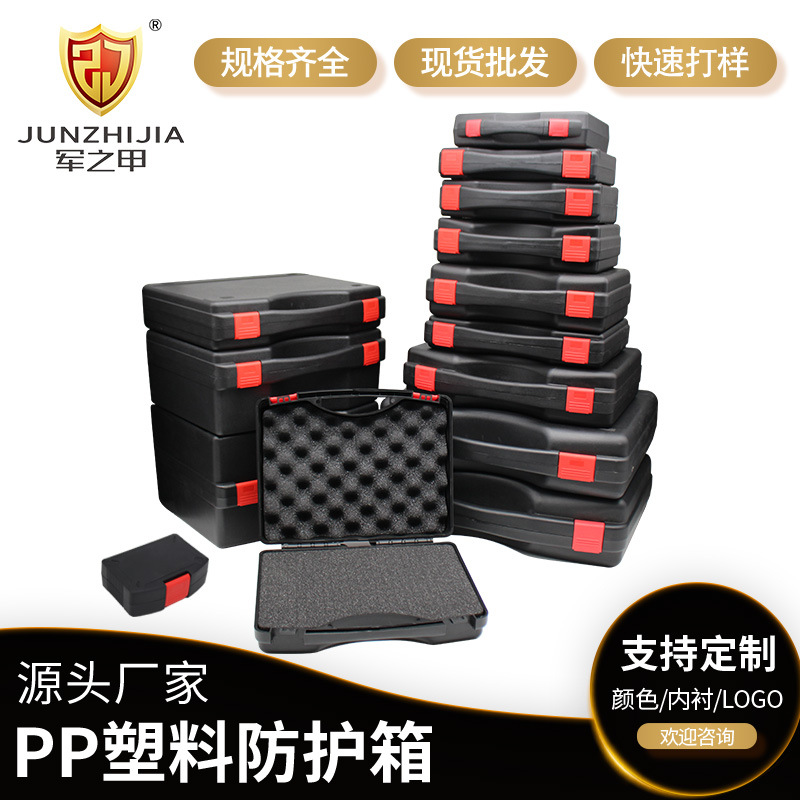
KeXin Series 8 New Protective Case WL8442 Officially Launched
139.5L ultra-large capacity flagship model, IP67 waterproof and dustproof, designed for large equipment transport. Now shipping worldwide.
Read More
139.5L ultra-large capacity flagship model, IP67 waterproof and dustproof, designed for large equipment transport. Now shipping worldwide.
Read More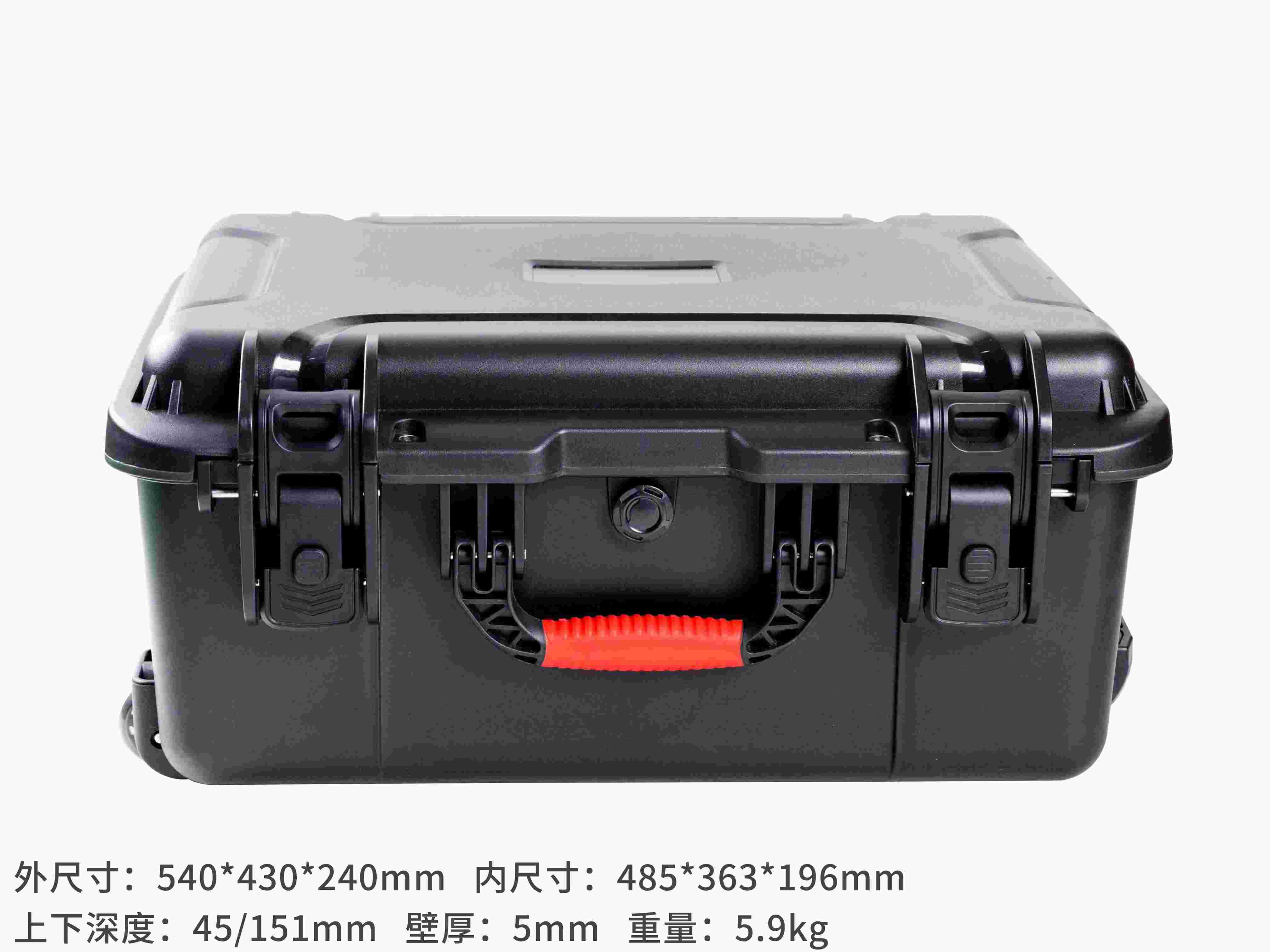
Hosted clients from over 20 countries during the fair, securing multiple cooperation agreements and further boosting international brand recognition.
Read More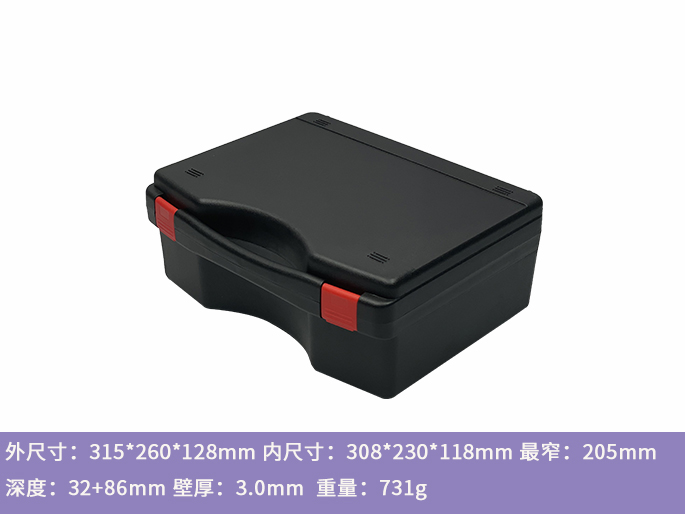
A detailed analysis of PP and ABS material properties, application scenarios, and buying tips to help you make the best choice.
Read More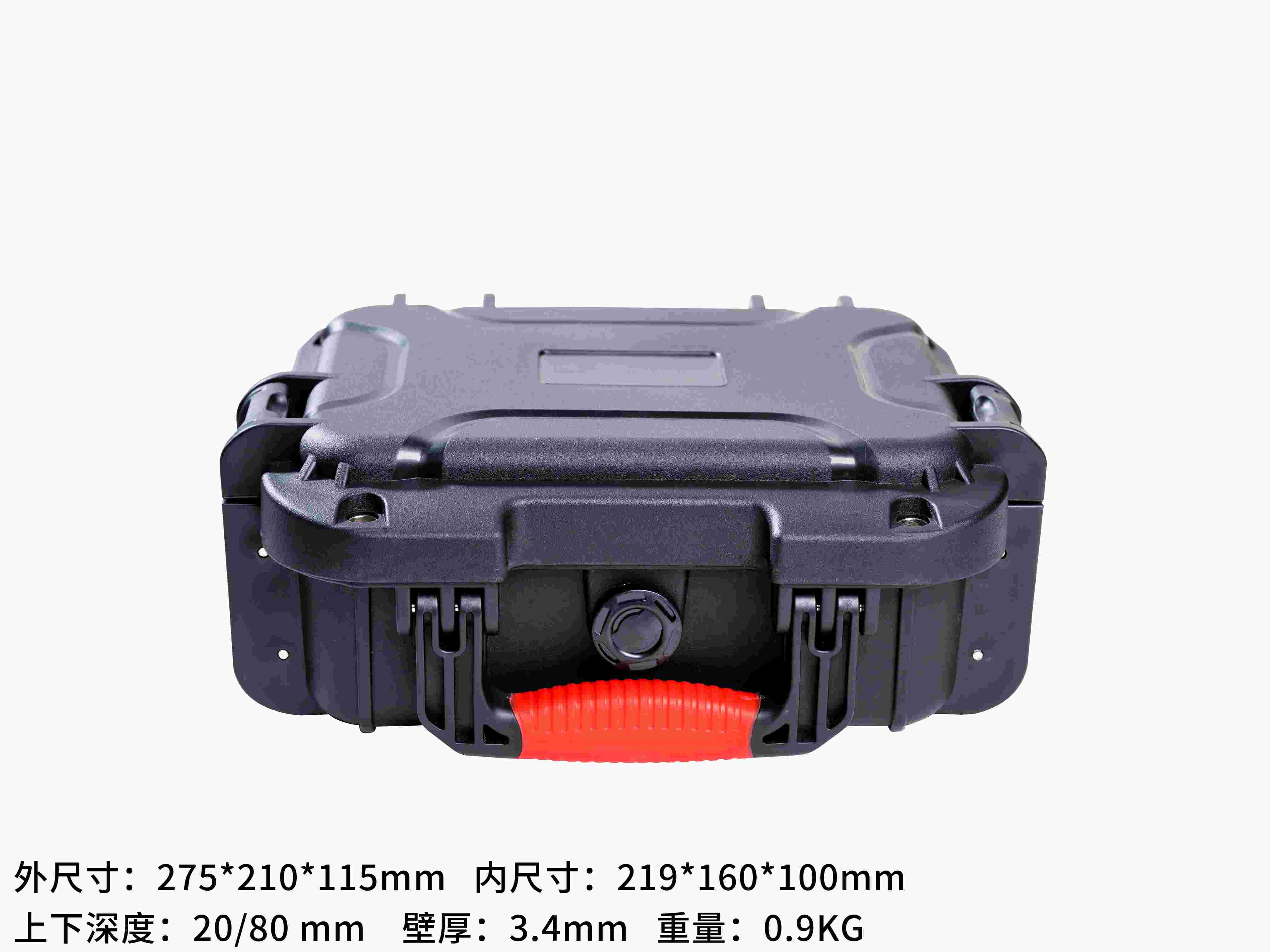
IP67 is the protection rating under IEC 60529: Level 6 = complete dust-tight, Level 7 = immersion up to 1m depth for 30 minutes.
Read More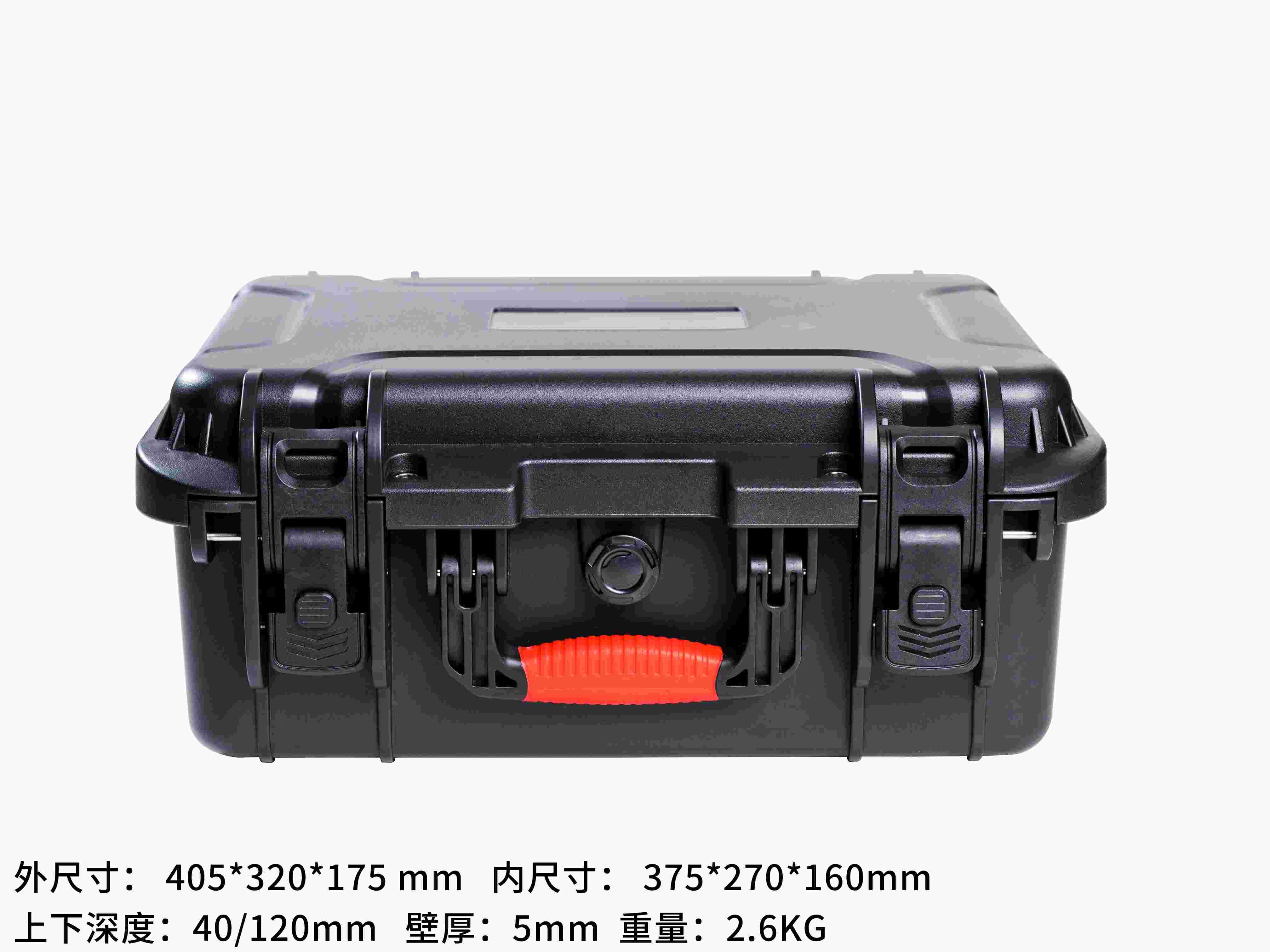
As technology advances, protective cases are evolving toward smart monitoring, customized design, and eco-friendly materials.
Read More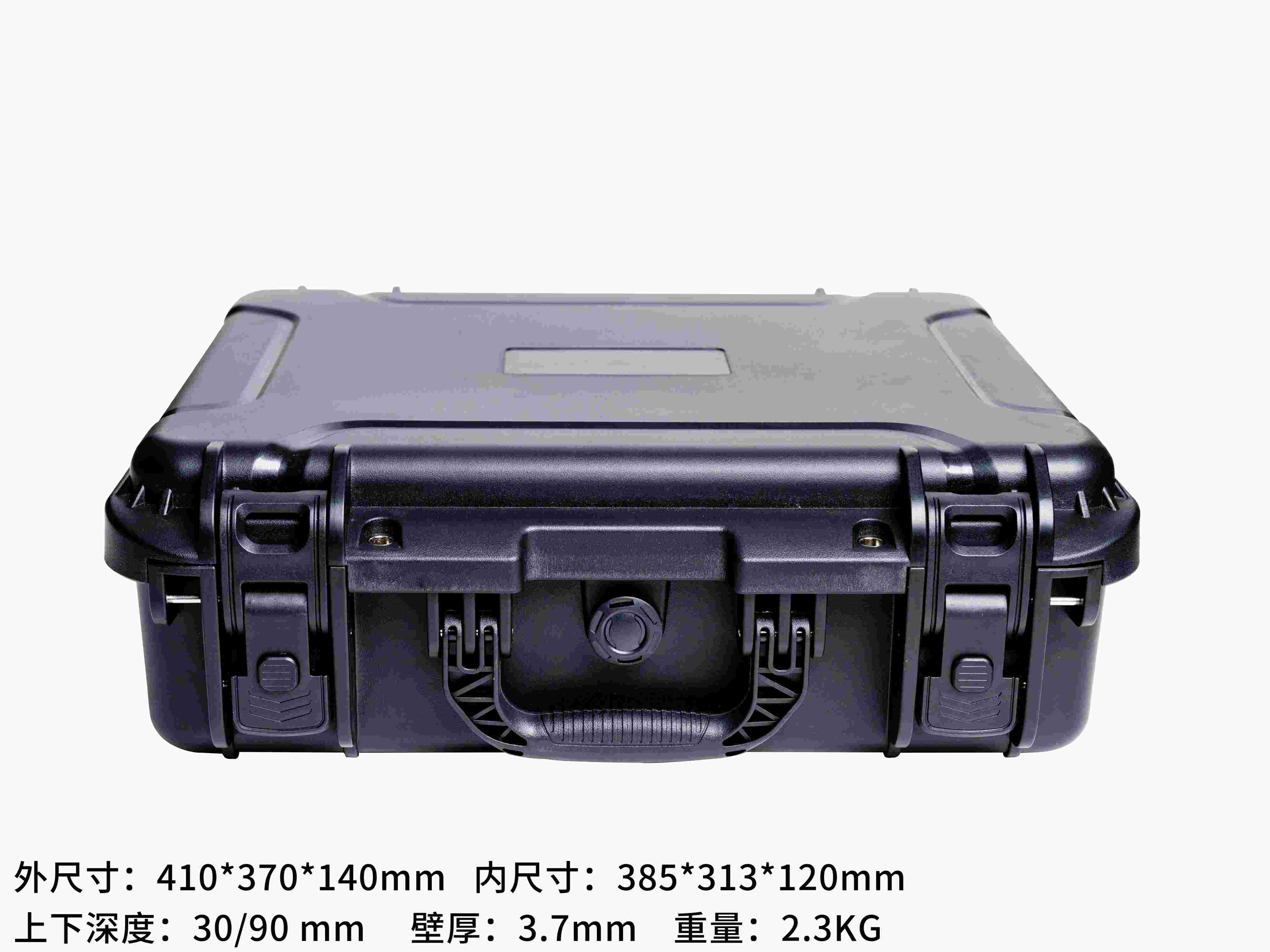
Choose the best protective case model by evaluating equipment dimensions, usage scenarios, and portability needs.
Read More
With 25 years of technical expertise and continuous innovation, the company has successfully passed high-tech enterprise certification.
Read More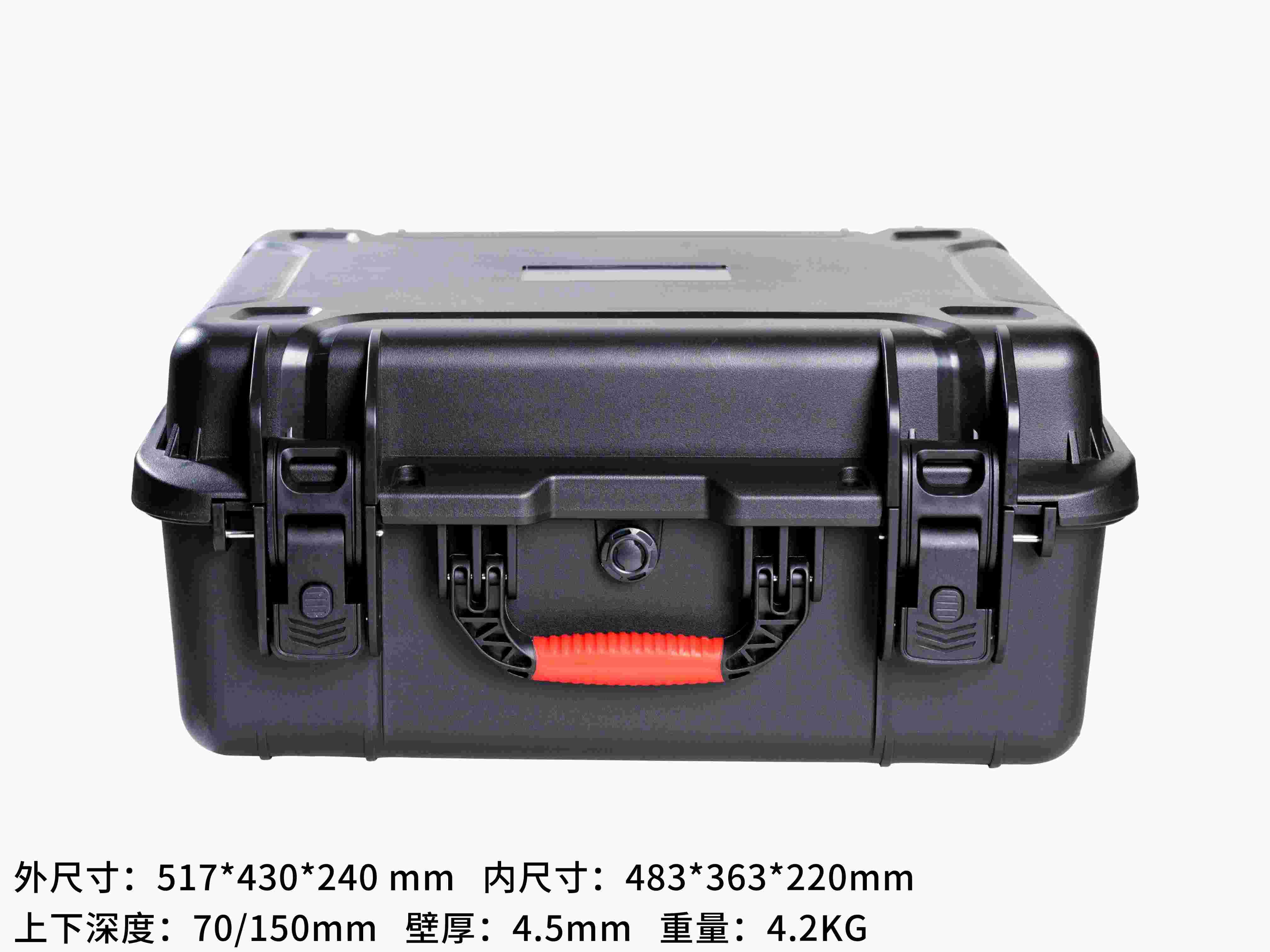
A complete walkthrough of the customization process: Requirements Discussion -> Solution Design -> Sample Confirmation -> Mass Production -> Logistics & Delivery.
Read More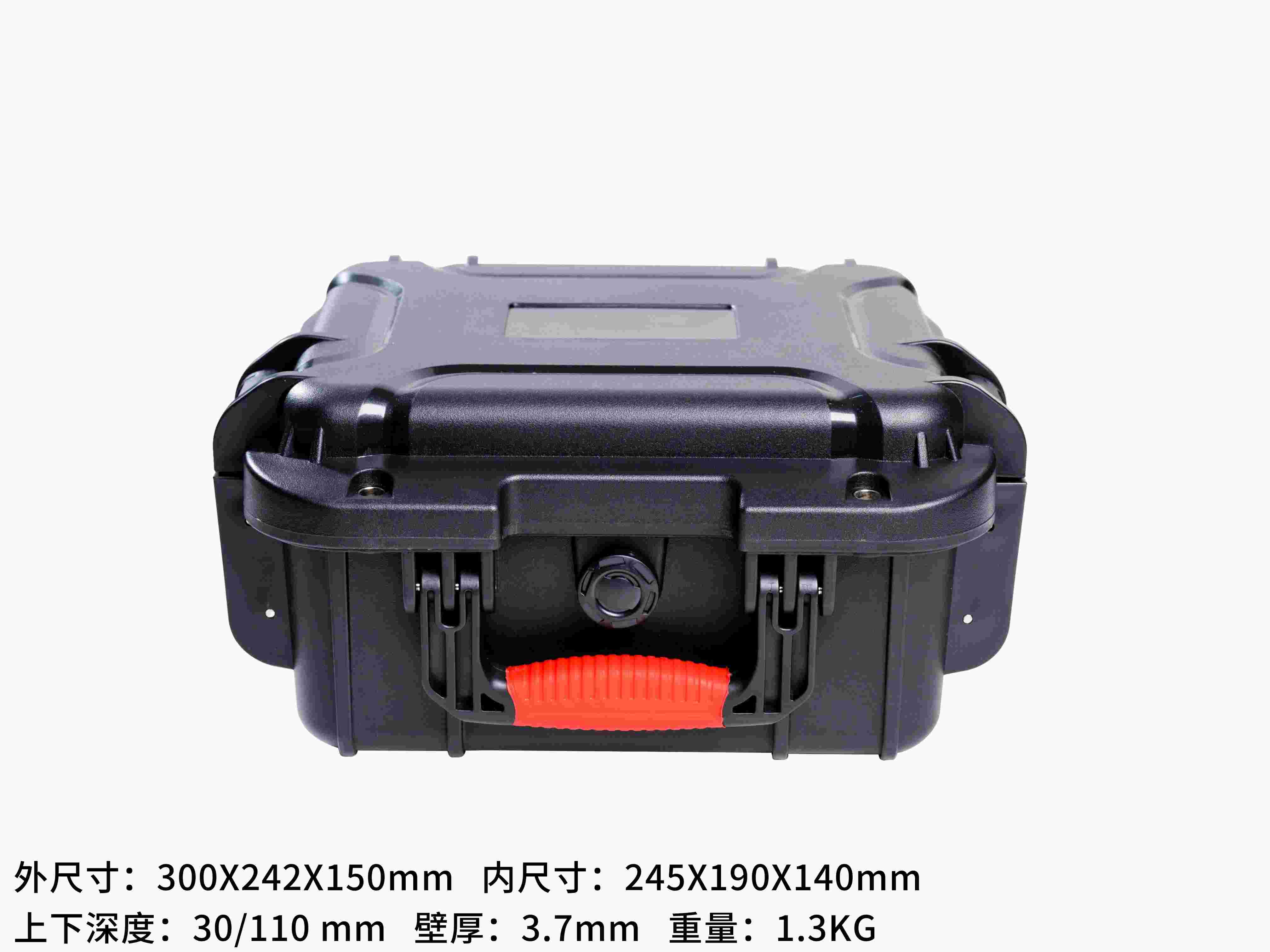
The global protective case market continues to grow, with cross-border e-commerce creating new opportunities for Chinese manufacturers.
Read More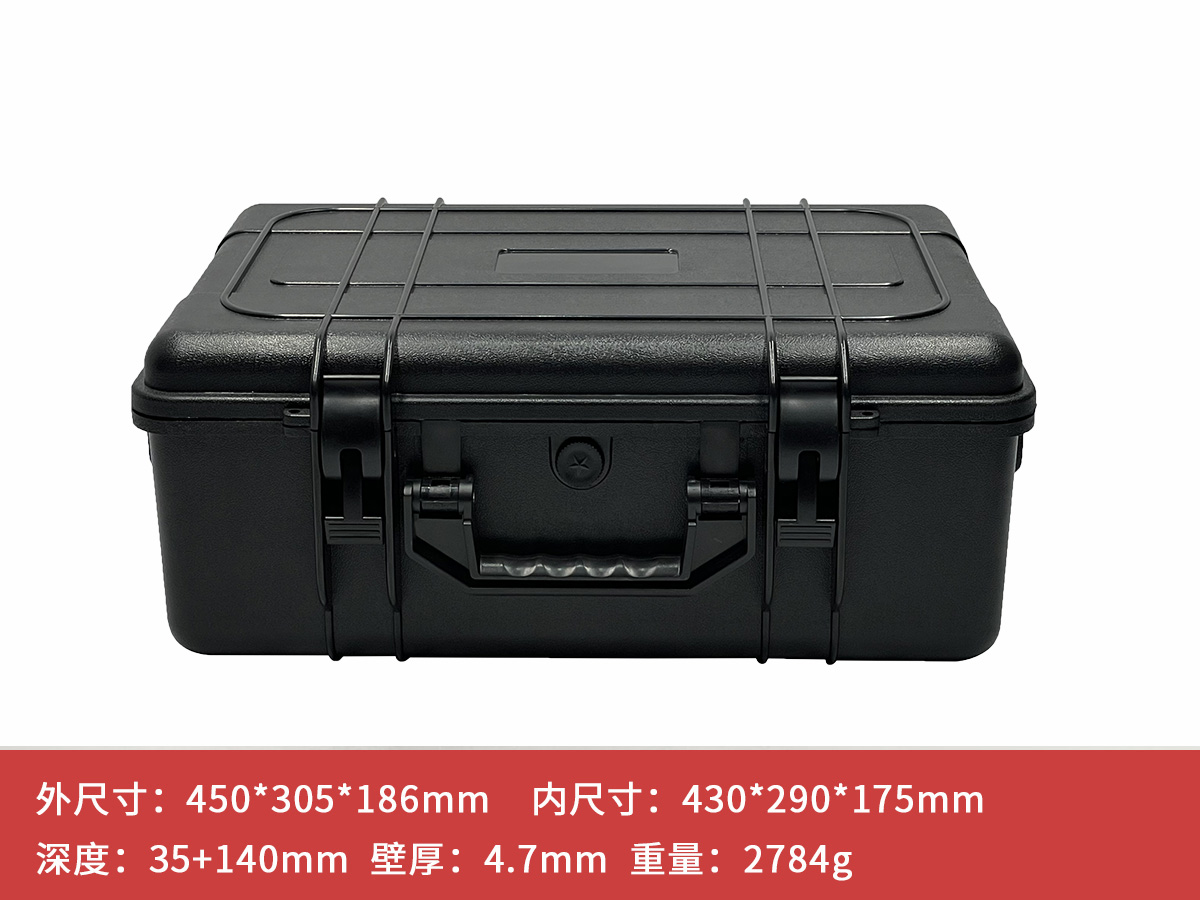
Compare EVA and PU foam in cushioning, weight, price, and use cases to choose the best custom foam liner for your protective case.
Read More
Selecting a protective case for FPV, mapping, and industrial drones requires balancing size, custom foam, waterproofing, dust protection, and portability.
Read More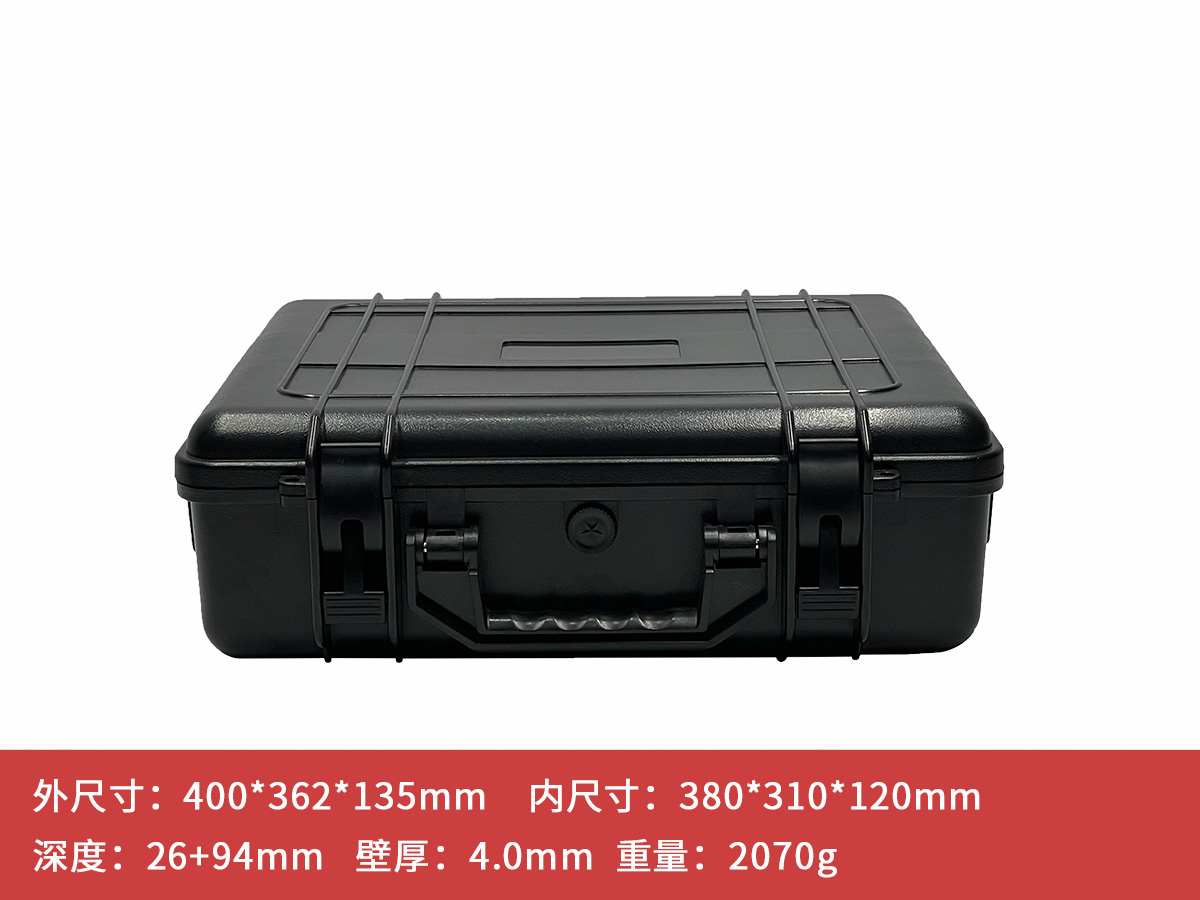
Choose professional protective cases for cameras, lenses, flashes, and lighting with attention to waterproofing, shock absorption, dividers, and air-travel requirements.
Read More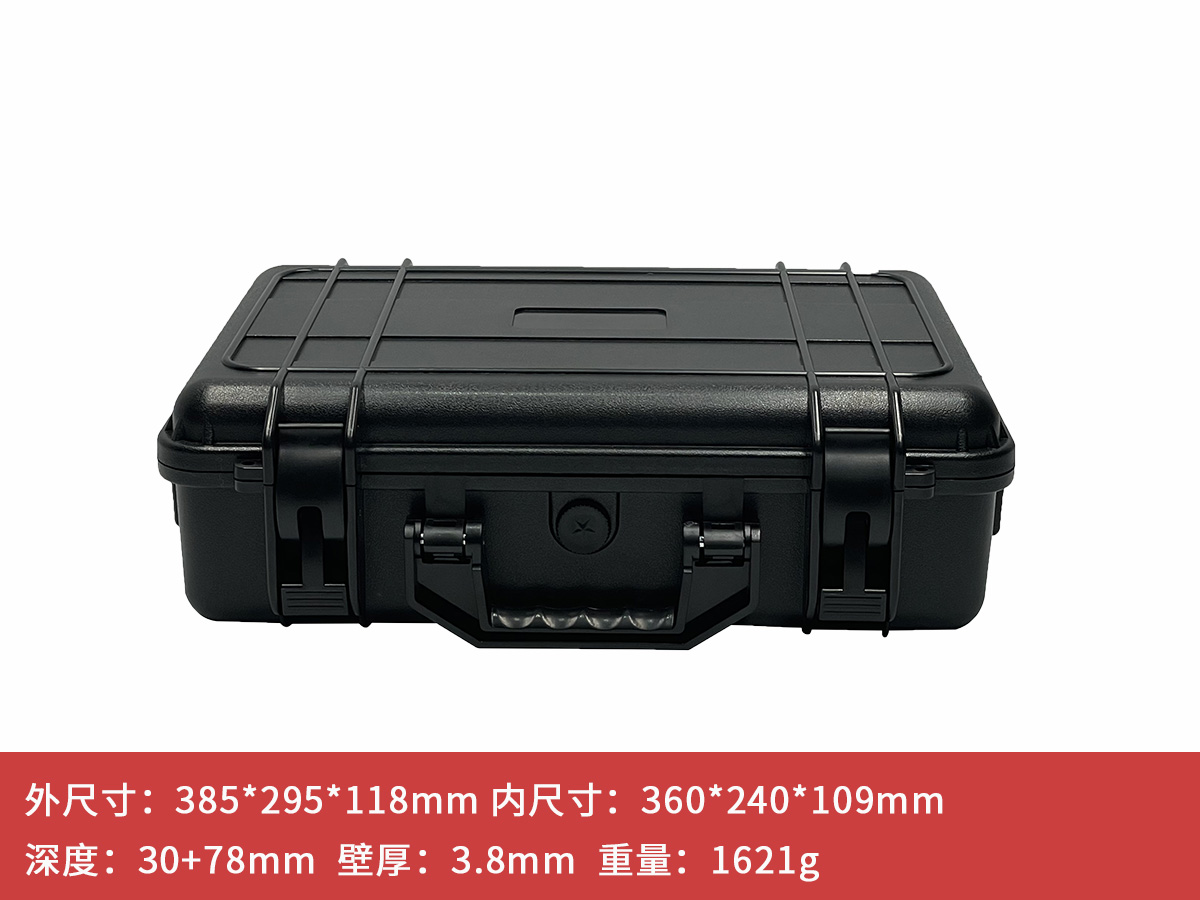
Medical equipment cases must satisfy transport safety, cleanability, temperature/humidity control, and compliance labeling requirements.
Read More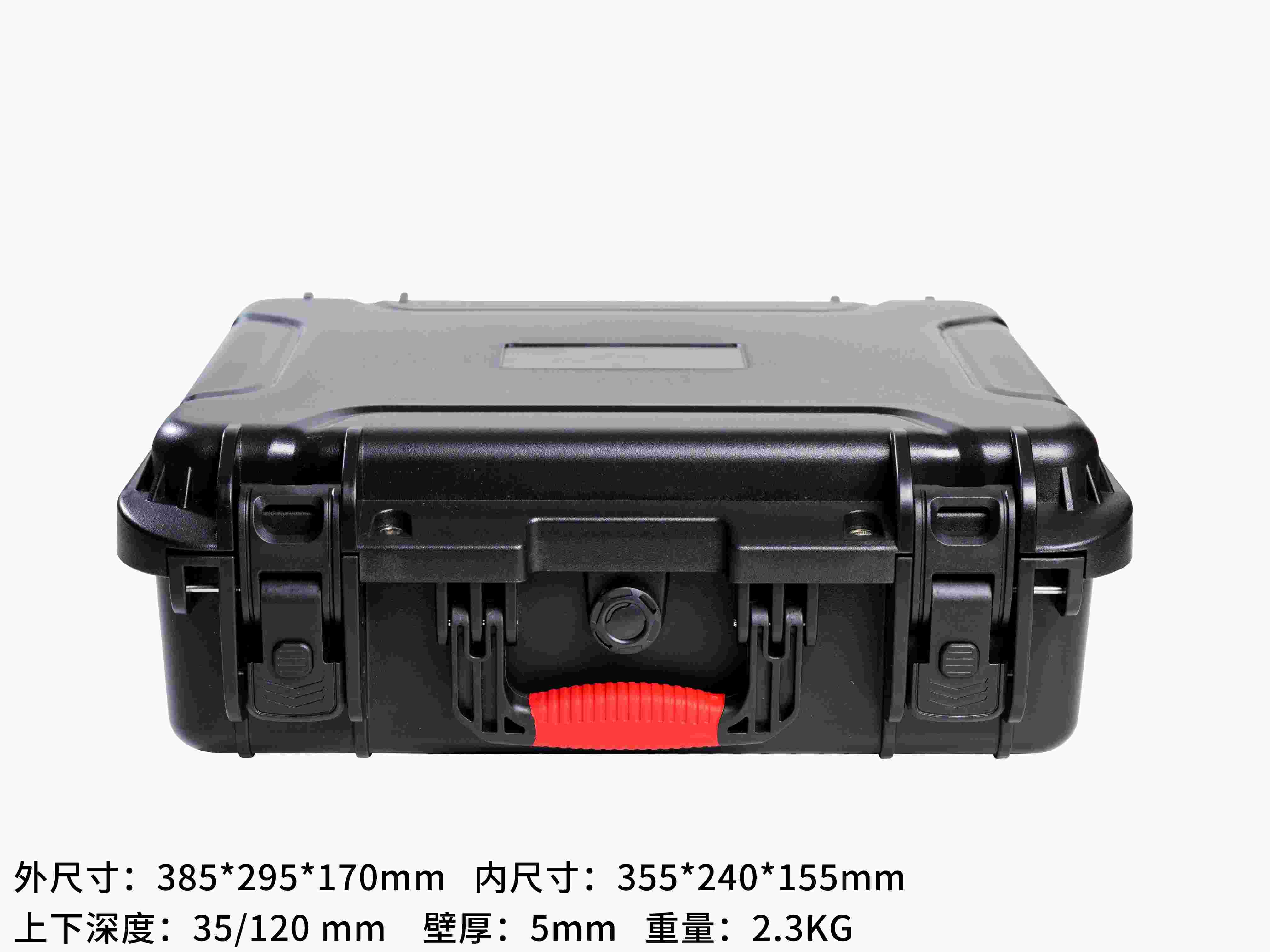
Tactical and military/police cases must offer high strength, modularity, quick access, and all-weather protection for demanding field and law-enforcement environments.
Read More
Geological, environmental monitoring, and field research equipment needs cases that protect against extreme temperatures, humidity, and drops.
Read More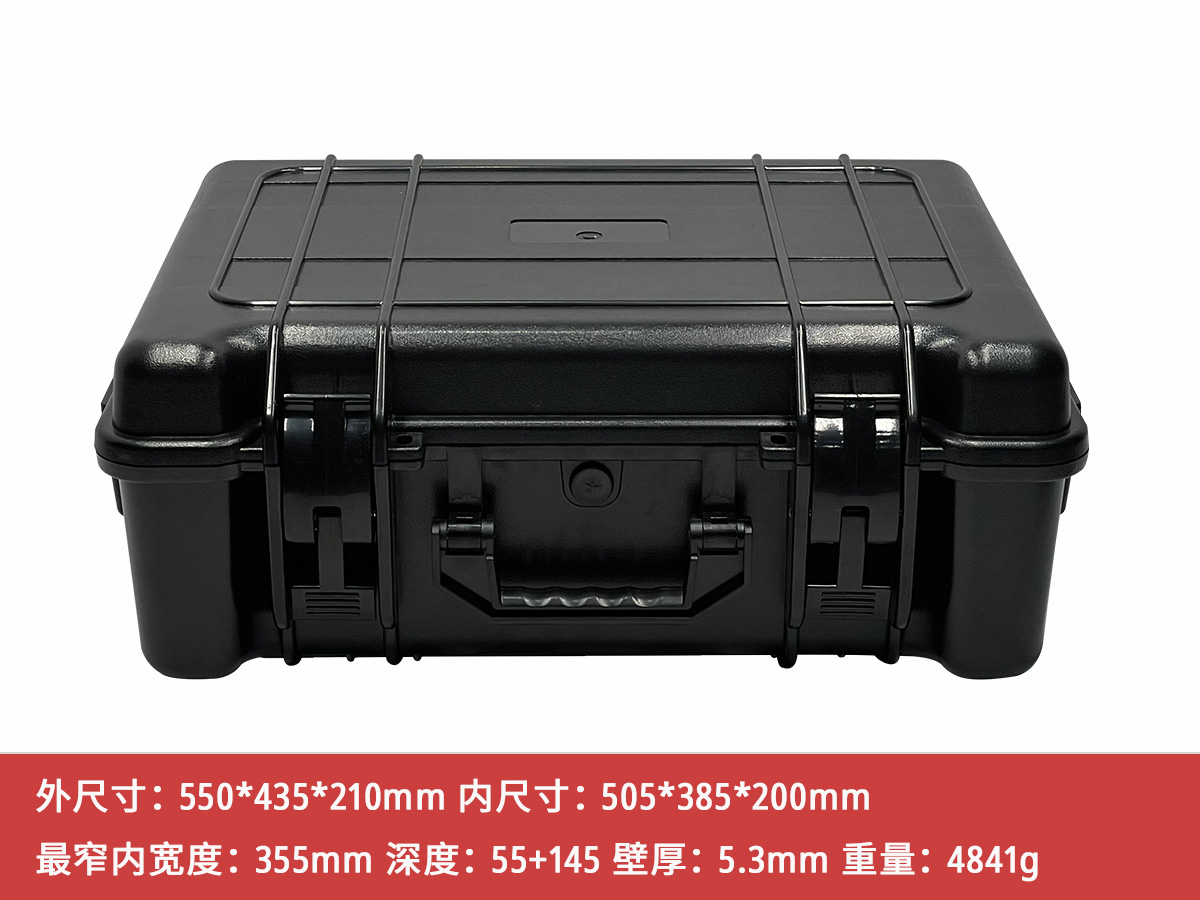
Communication equipment cases must balance EMC shielding, heat dissipation, waterproofing, shock absorption, portability, and rapid deployment.
Read More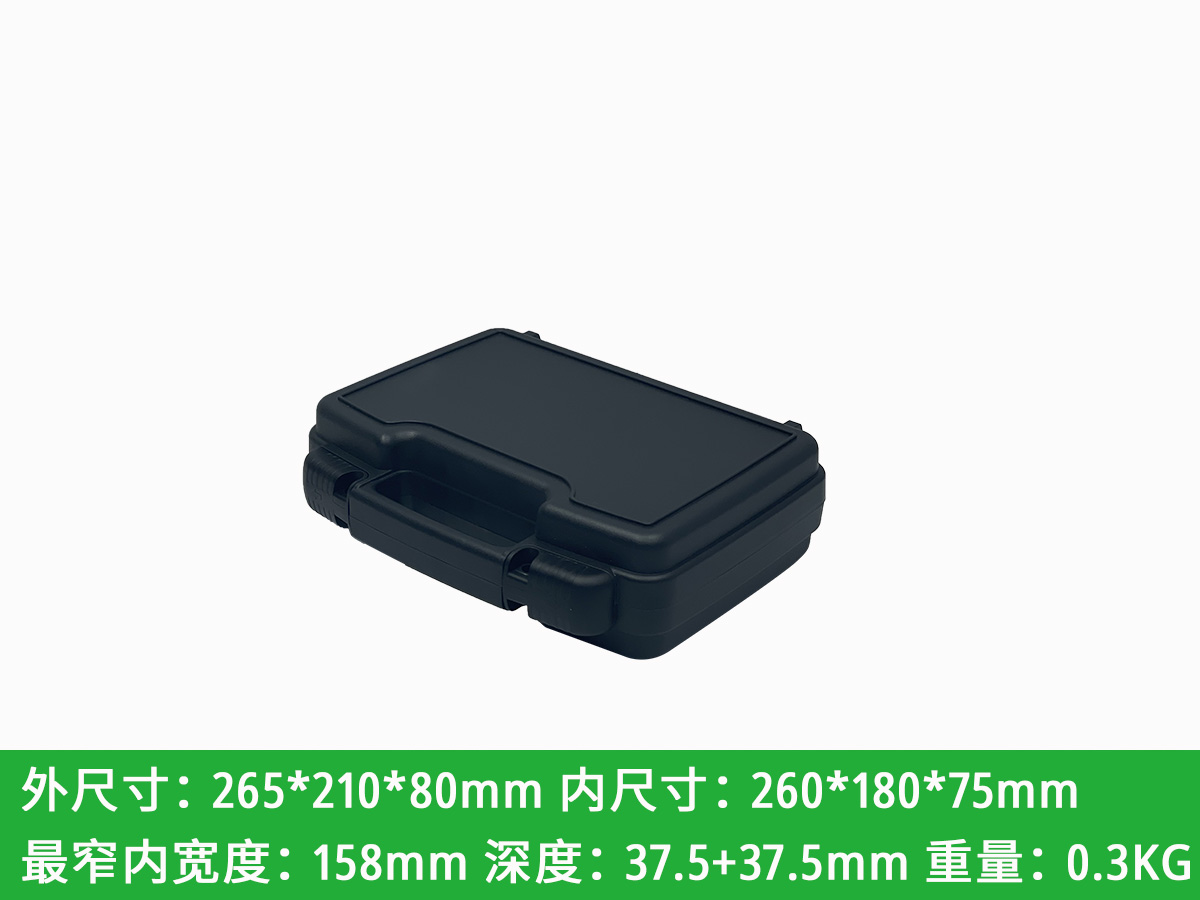
Toolboxes and protective cases differ in structure, materials, sealing, and protection ratings. Learn how to choose based on your application.
Read More
Understand the injection molding case production process, including mold design, material selection, molding, finishing, and quality inspection.
Read More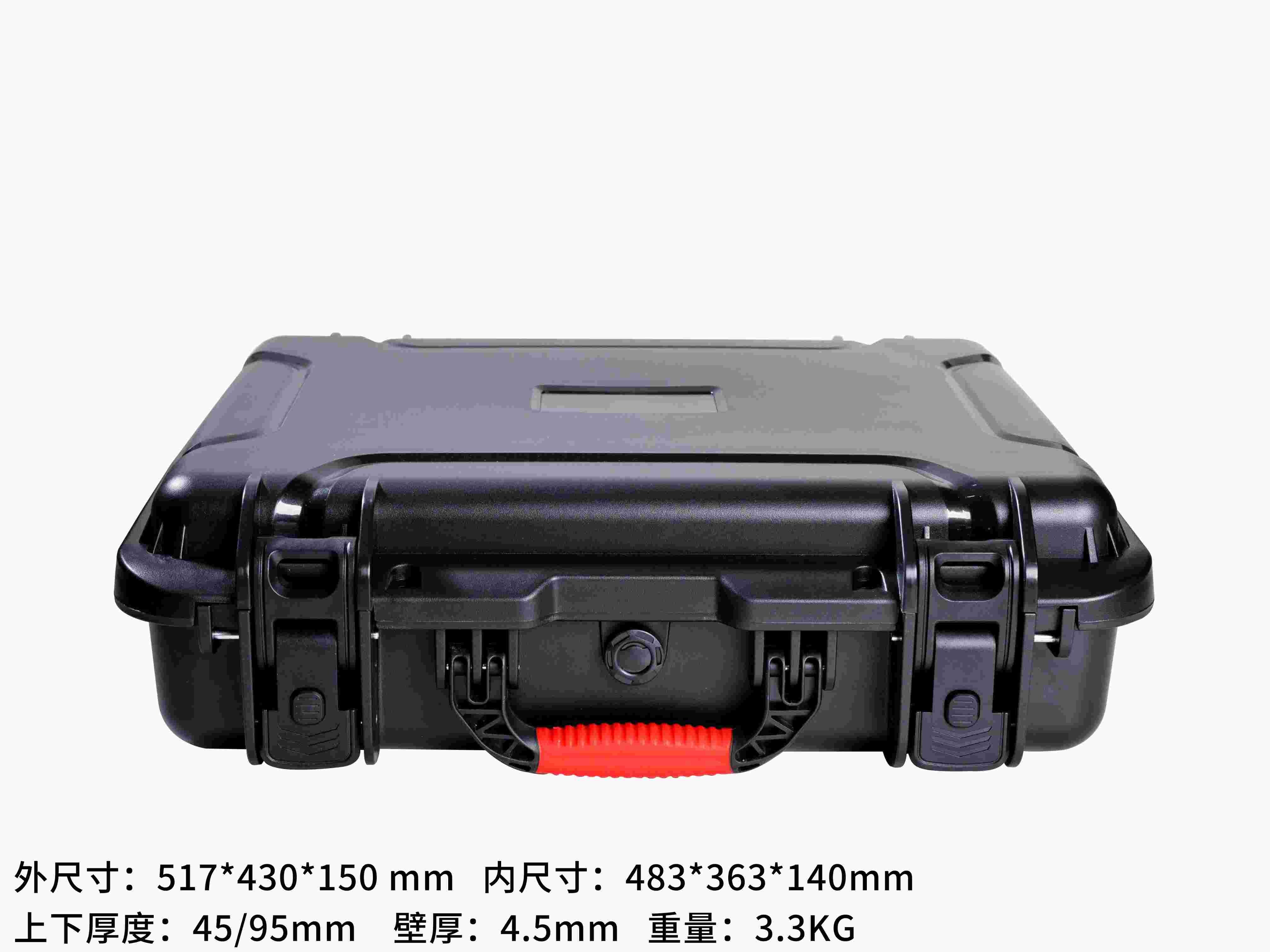
Compare rotomolding and injection molding case processes in cost, strength, size, appearance, and batch suitability.
Read More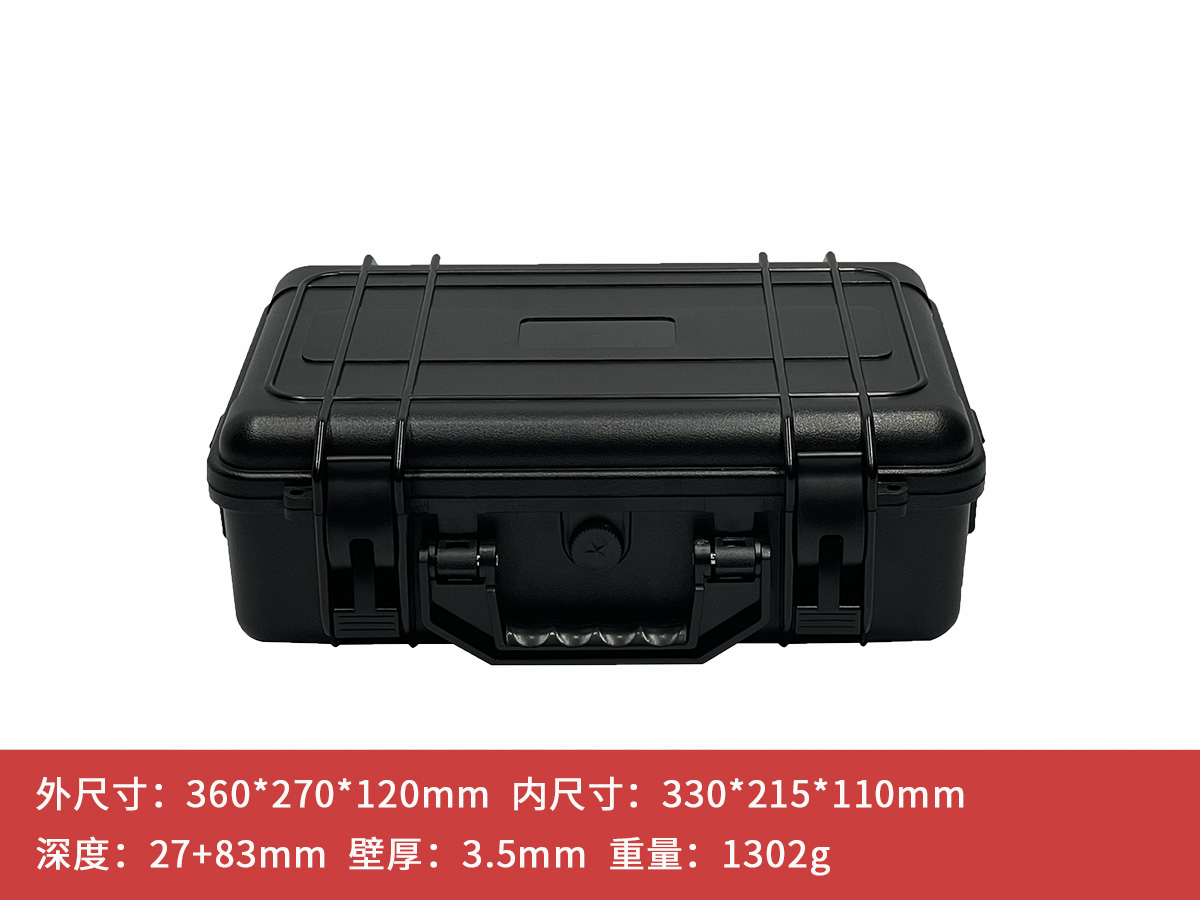
Latches are key to case sealing and security. Learn about common latch types and their applications.
Read More
Seals are the core of waterproof and dustproof cases. Learn about silicone, EPDM, and rubber seals and how to maintain them for long-term reliability.
Read More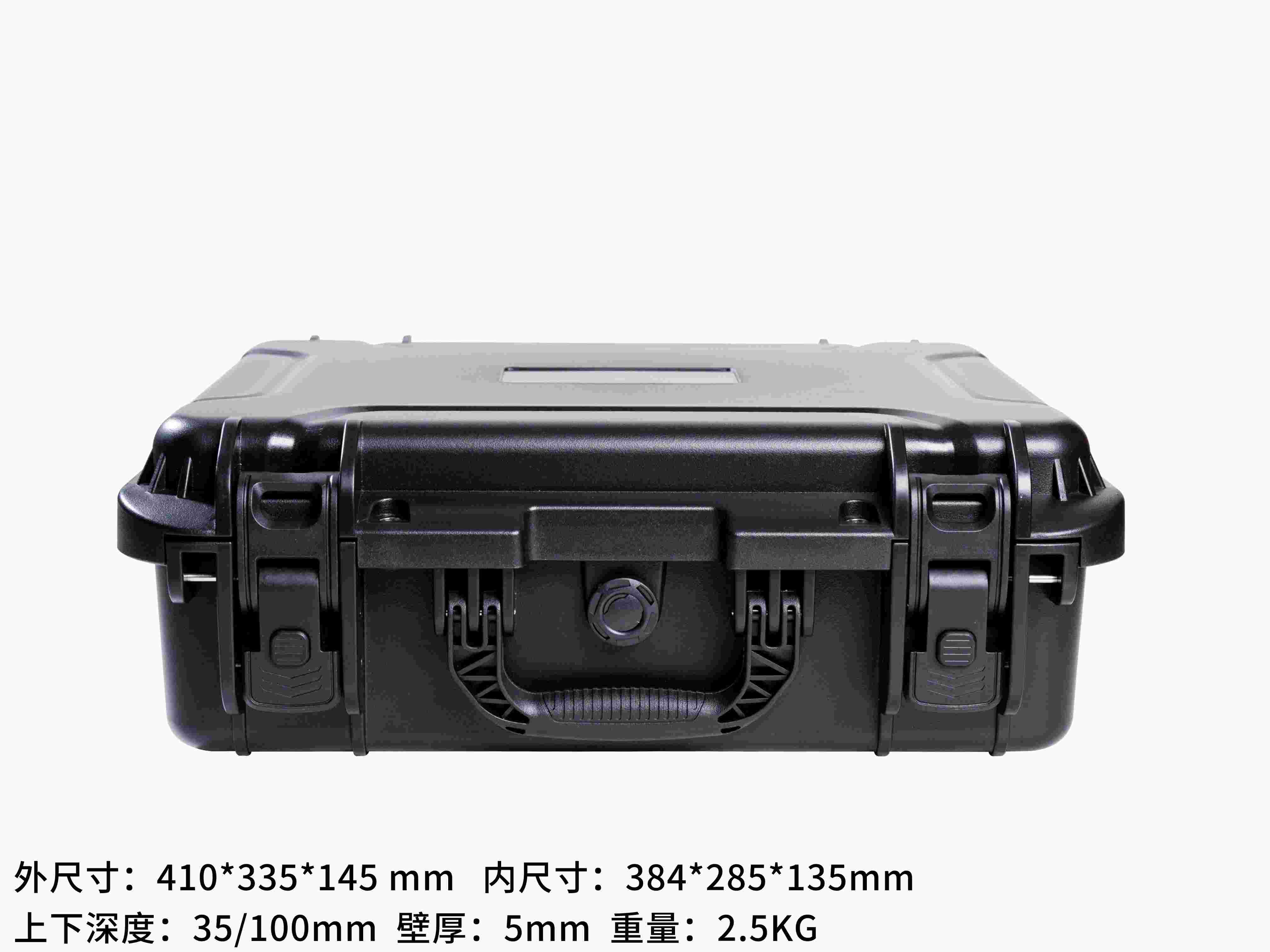
Trolleys and wheels are key to the portability of large instrument cases. Learn about different types and selection points.
Read More
IP ratings are important indicators of case performance. Learn what IP codes mean, how they are tested, and how to spot fake ratings.
Read More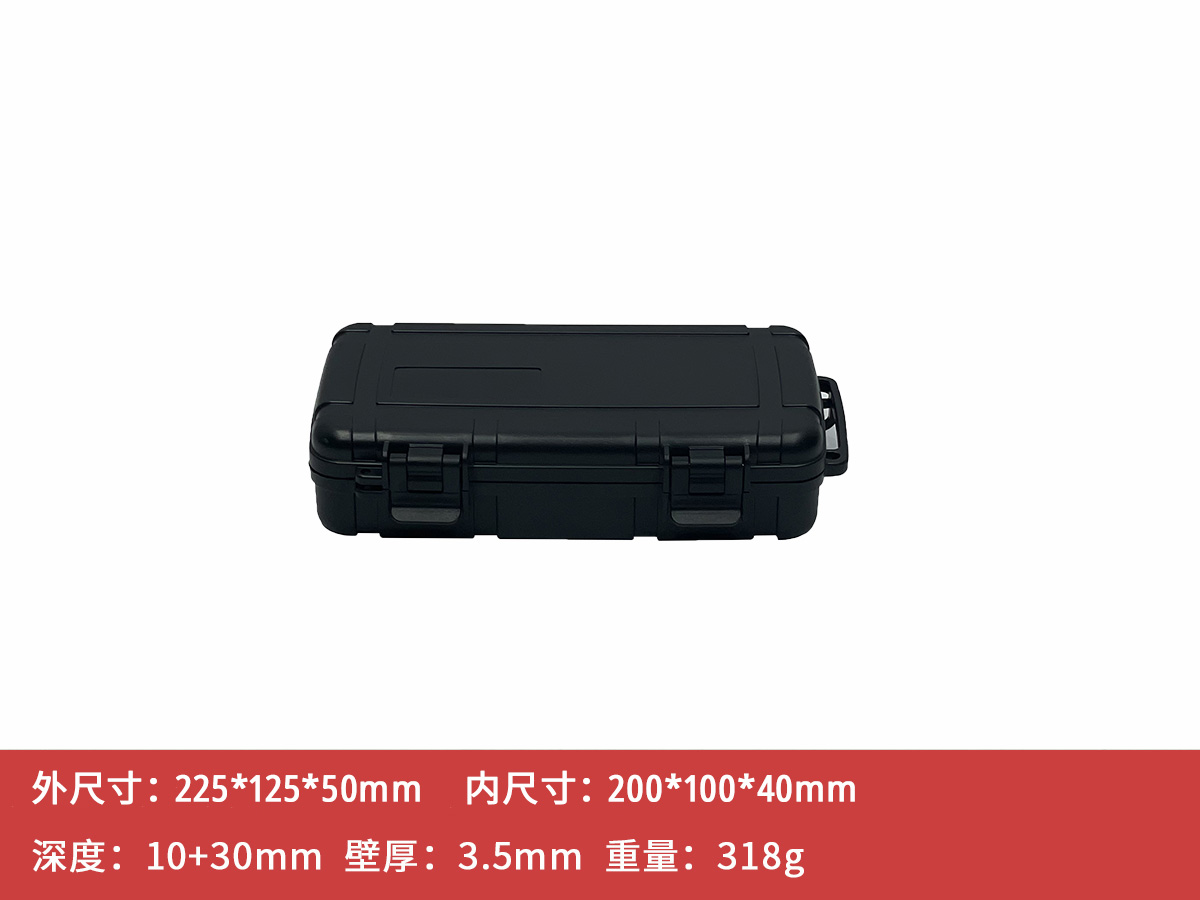
Drop testing is key to verifying case transport safety. Learn about ISTA, MIL-STD, and other drop test standards and methods.
Read More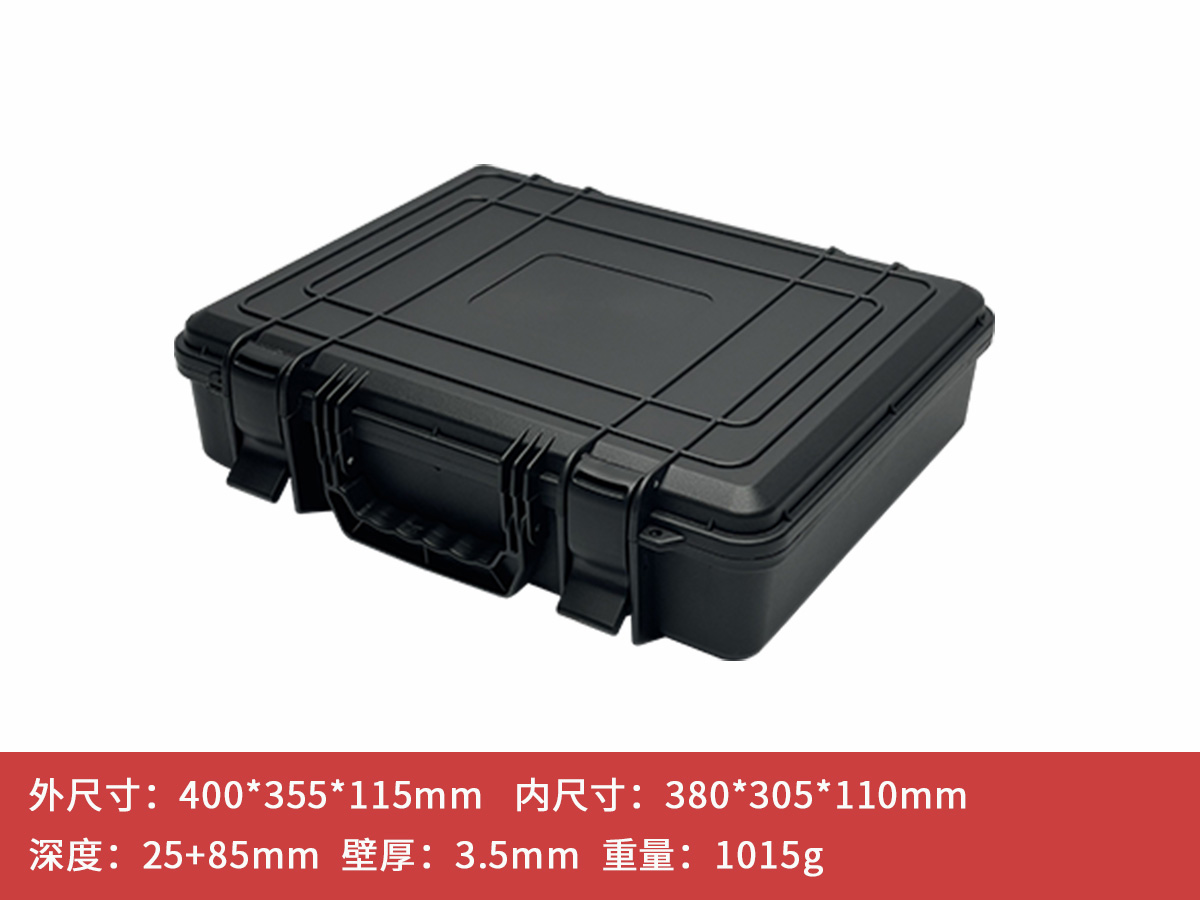
Choosing cases for musical instruments, audio, and stage equipment requires balancing shock protection, moisture resistance, custom sizing, and portability.
Read More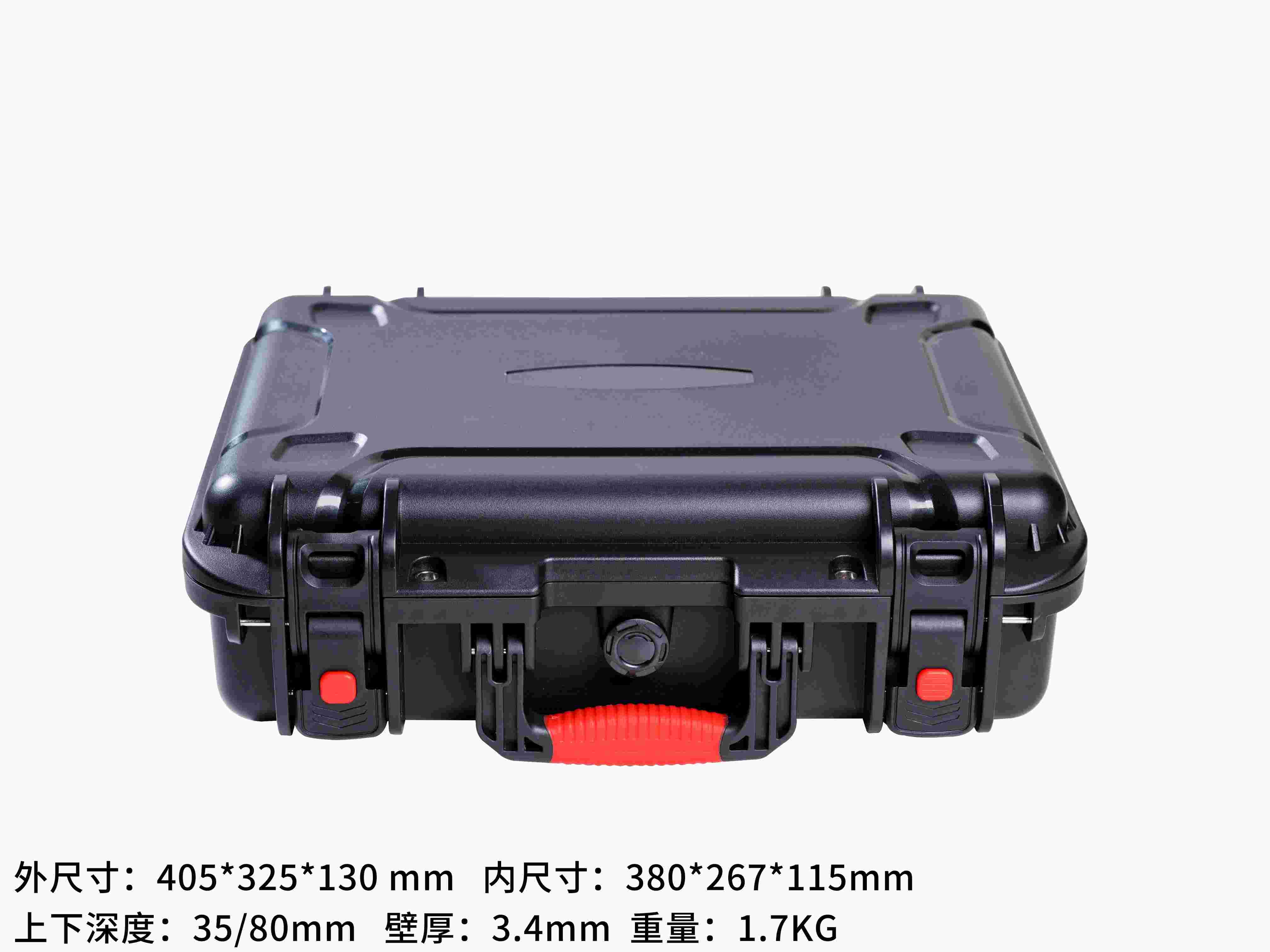
Camping gear storage cases need to be waterproof, dustproof, drop-resistant, and vehicle-friendly. Learn how to choose the right one.
Read More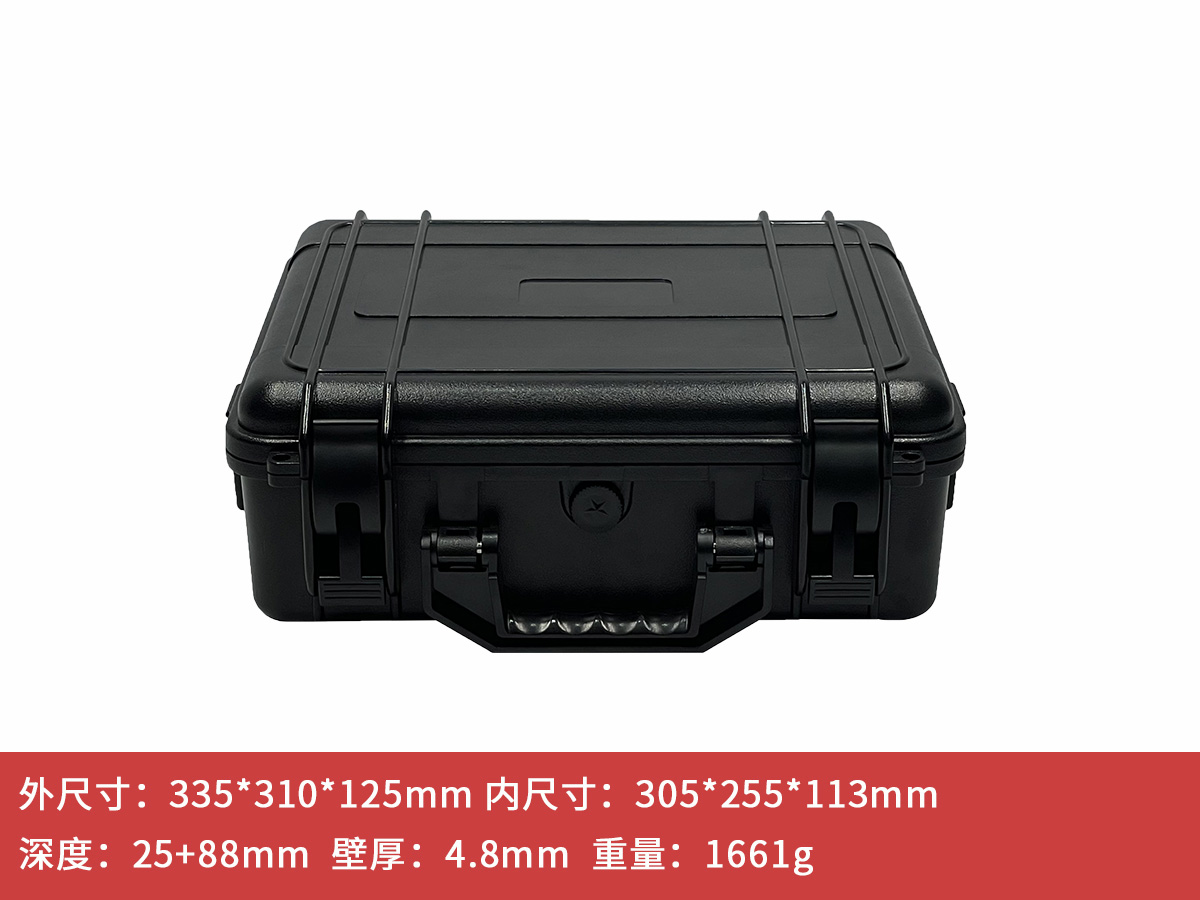
Marine equipment cases must resist salt spray, high humidity, UV, and violent motion, protecting navigation, communication, and diving equipment.
Read More
EV diagnostic tool cases need insulation, shock protection, and compartmentalized storage for technicians to deploy and use quickly in repair shops.
Read More
Firefighting and emergency equipment cases need quick opening, rugged durability, and clear labeling for immediate deployment in emergencies.
Read MoreBrowse our content by topic
Deepen your understanding of protective case expertise
PP and ABS are the two most common materials for protective cases. PP offers excellent chemical resistance, insulation, and light weight. ABS provides high strength, attractive surface finish, and impact resistance. Understanding both materials helps you choose the best case for your application.
Read MoreThe IP code is an international protection rating standard by IEC. In IP67, "6" means complete dust protection, and "7" means protection against immersion in 1 meter of water for 30 minutes. Understanding IP ratings helps you select the right product for your needs.
Read MoreSelecting case size requires considering equipment dimensions, accessory quantities, and transport methods. Internal dimensions matter more than external ones, and leaving buffer space is key to protecting your equipment. This article details the calculation methods and selection tips.
Read MoreStay updated with the latest protective case industry trends, product technology knowledge, and application cases. KeXin is committed to providing professional protective case solutions and industry insights.
Learn about KeXin's latest protective case technologies and product upgrades, including new materials, processes, and designs.
Protective case selection tips, size calculations, material comparisons, and price analysis.
Case studies and solutions for medical, photography, military, and telecommunications industries.
Foam insert customization, logo printing, color options, and panel installation guides.