
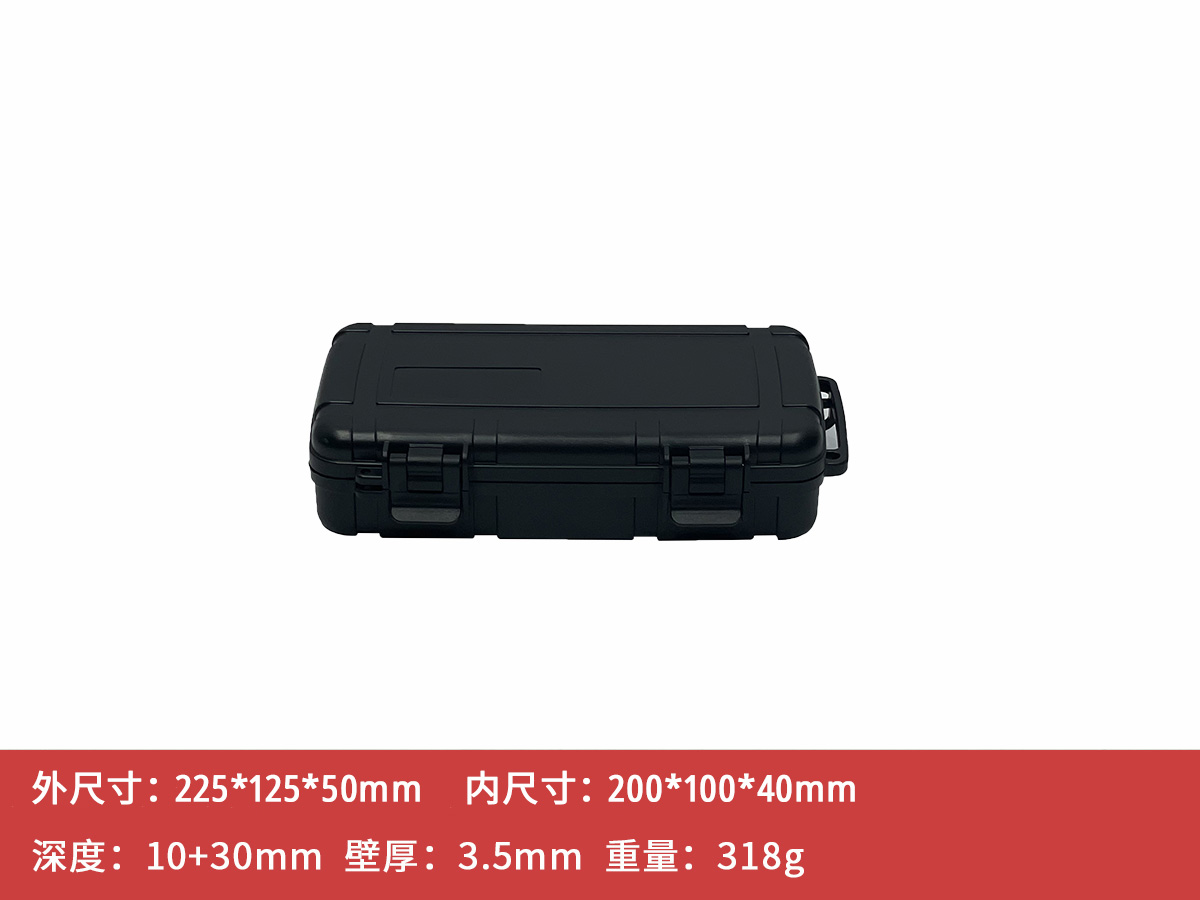
Protective cases inevitably encounter drops, collisions, and vibration during transport. Drop testing is an important method to evaluate impact resistance and a key reference for customers when selecting cases.
Common Drop Test Standards
Protective case drop testing usually references the following standards. ISTA (International Safe Transit Association) standards are widely used for commercial packaging transport testing. ISTA 3A applies to small parcels, and 3B applies to less-than-truckload shipments. Tests include drops, vibration, and compression. The U.S. military standard MIL-STD-810 is authoritative for environmental testing of military equipment. Method 516 covers shock testing, and Method 514 covers vibration testing. Cases passing MIL-STD testing are highly reliable. ASTM D4169 from the American Society for Testing and Materials covers transport package performance testing, including drops, vibration, compression, and impact.
Drop Test Methods
A typical drop test procedure includes loading the case with actual equipment or simulated weights, dropping freely from specified heights (e.g., 0.5m, 1m, 1.5m) onto a hard surface, testing all six faces, eight corners, and twelve edges, inspecting for cracks, latch failure, and seal damage, and opening the case to check whether internal equipment is damaged.
Factors Affecting Drop Test Results
KeXin Drop Testing
All KeXin protective cases undergo rigorous drop testing before design finalization and mass production. We simulate real transport environments, testing from different heights and angles to ensure products withstand the impacts of logistics transport.