
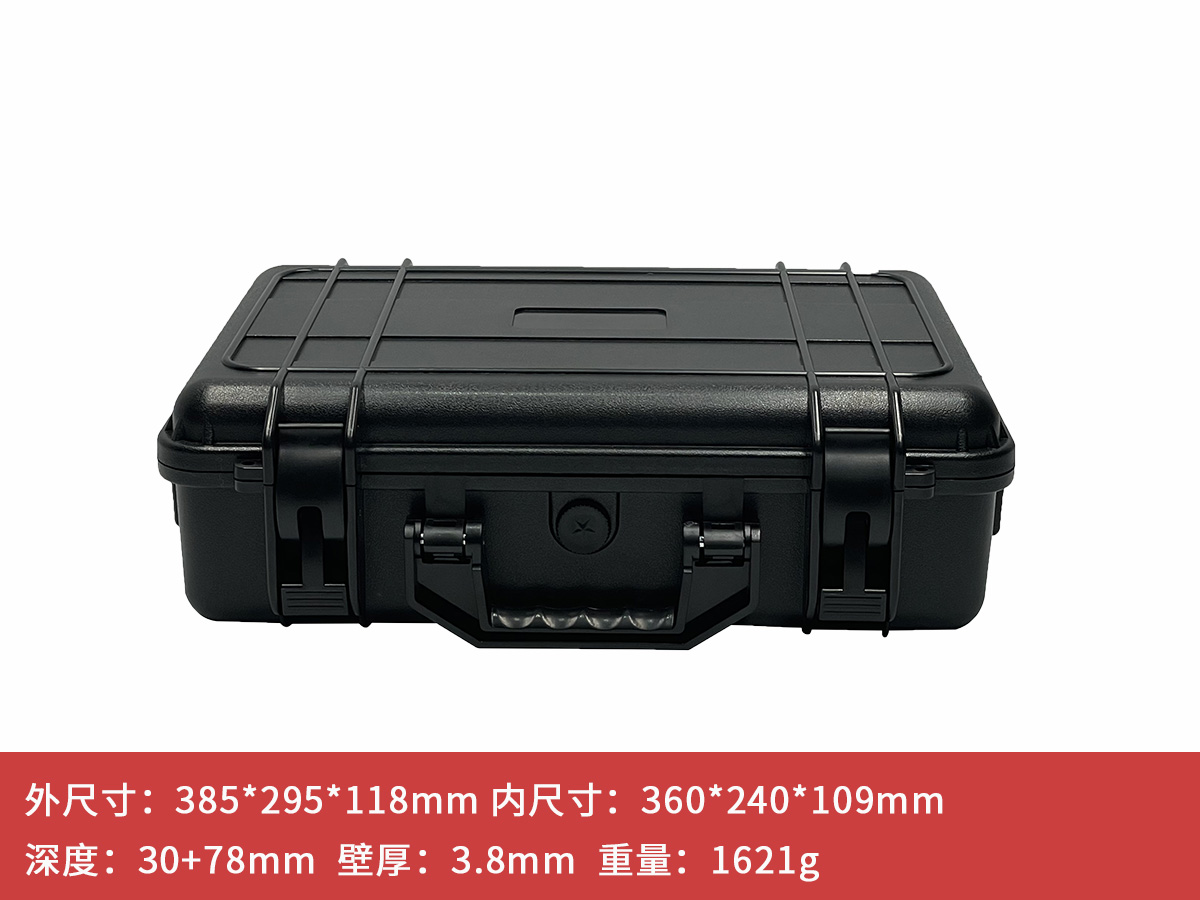
Medical equipment is often expensive and precision-built, with strict transport and storage requirements. A portable ultrasound, endoscope, or patient monitor can be costly to repair if damaged in transit, and may also affect patient care.
Basic Requirements for Medical Equipment Cases
Medical cases first need excellent shock protection. The interior should use custom EVA foam inserts shaped to the device to prevent movement. Second, the case should offer IP67 waterproof and dustproof protection against liquids and dust.
In addition, medical cases must be easy to clean and disinfect. KeXin PP and ABS materials have smooth surfaces that can be wiped with alcohol or chlorine-based disinfectants, meeting medical hygiene standards.
Compliance and Labeling
Medical device transport often must meet specific regulations. For example, cold-chain devices may need built-in temperature loggers or insulation layers; radioactive or infectious devices require special labels.
KeXin supports custom medical symbols, warning labels, and RFID tag slots on cases. Case colors can be customized to white, blue, or other common medical colors for easy identification in hospital environments.
Temperature, Humidity, and Portability
For instruments requiring constant temperature, insulating pouches or phase-change materials can be used inside the case. An automatic pressure relief valve suits air transport, while trolley handles and wheels help medical staff move equipment in hospitals, ambulances, and field rescue settings.
Recommended Solutions
KeXin recommends Series 6 ABS cases for small and medium medical instruments, and Series 8 large cases for complete kits or multiple devices. All series support custom foam, logo printing, and compliance labeling.