
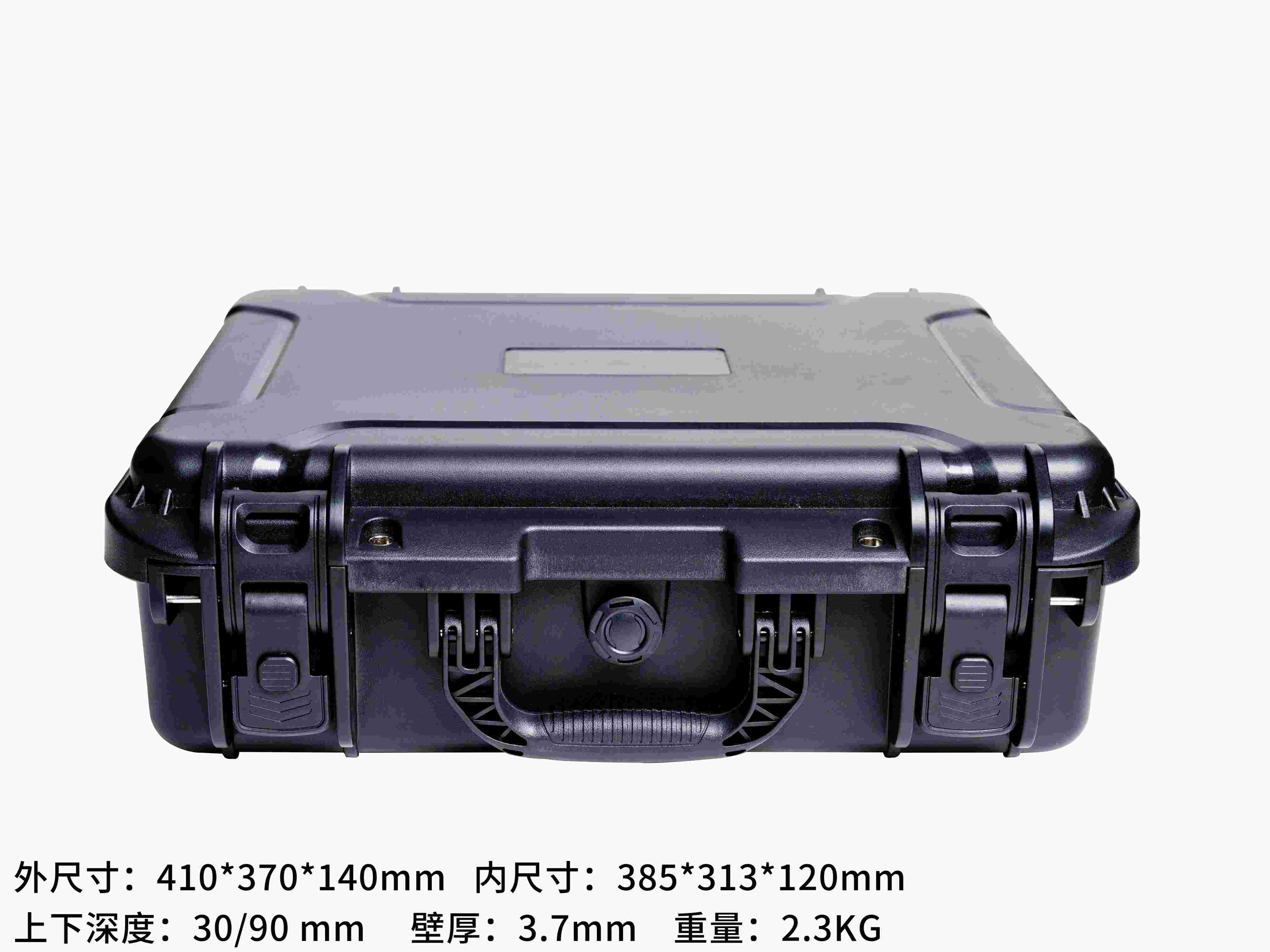
A protective case's IP67 waterproof and dustproof rating depends heavily on the seal gasket. A small seal that is aging, deformed, or improperly installed can seriously compromise the entire case's protection.
Common Seal Materials
Three common seal materials are used in protective cases: silicone, EPDM rubber, and ordinary rubber. Silicone offers excellent high and low temperature resistance (-60°C to 200°C), good elasticity, aging resistance, and is non-toxic and odorless. KeXin IP67 cases generally use silicone O-rings to ensure reliable sealing even at extreme temperatures. EPDM rubber has excellent ozone, UV, and aging resistance, making it suitable for long-term outdoor use, but it has poor oil resistance. Ordinary rubber is low-cost but has average temperature and aging resistance, mostly used in low-end toolboxes or temporary protective cases.
Seal Maintenance Tips
Seal Installation Notes
Seals should lie flat in the gasket groove of the case or lid without twisting, stretching, or overlapping. When latches are closed, the seal should be evenly compressed to form a continuous sealing line.
KeXin Seal Design
All KeXin IP67 protective cases use high-quality silicone O-rings. We perform sealing simulation and physical testing during the design phase to ensure reliable waterproof and dustproof protection in all environments.