
When choosing large protective cases, manufacturers often ask: should we use rotomolding or injection molding? Each process has its strengths and is suited to different product needs and order volumes.
Rotomolded Case Characteristics
Rotational molding places plastic powder in a mold that is heated and rotated so plastic evenly coats the interior. Advantages include ability to produce very large cases, with volumes up to hundreds of liters; lower mold costs, suitable for small batches and many varieties; uniform wall thickness, no weld lines, and high overall strength; suitability for irregular and hollow structures. Disadvantages include longer cycle times, lower surface precision, and higher per-unit costs for large volumes compared to injection molding.
Injection Molded Case Characteristics
Injection molding injects molten plastic into a mold cavity. Advantages include high production efficiency, ideal for large batches; high dimensional accuracy and good surface quality; ability to design complex ribs, snaps, and detailed features; low unit cost for standardized products. Disadvantages include high mold costs and poor suitability for small batches; part size is limited by the injection machine.
How to Choose
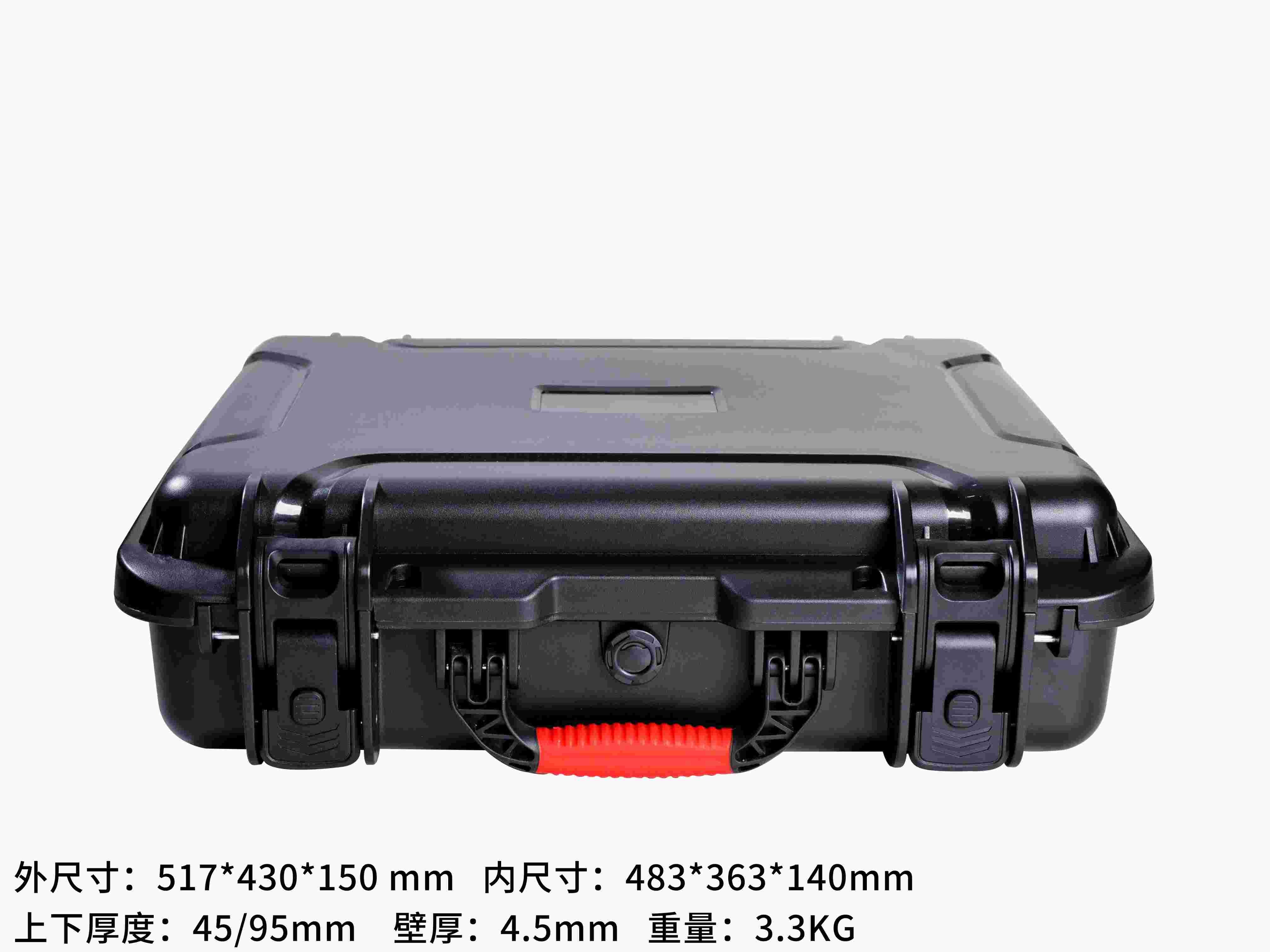
Choose rotomolding for extra-large size, small batch, and irregular shapes; choose injection molding for high precision, large batch, and complex details; for medium size with balanced cost and strength, KeXin PP/ABS injection cases are ideal.
KeXin Advantages
KeXin specializes in injection-molded cases, with a full product line including Series 1/2/6/7/8, injection cases, mini cases, and ultra-light cases. We recommend the most suitable process and product based on customer size, volume, and performance requirements.