
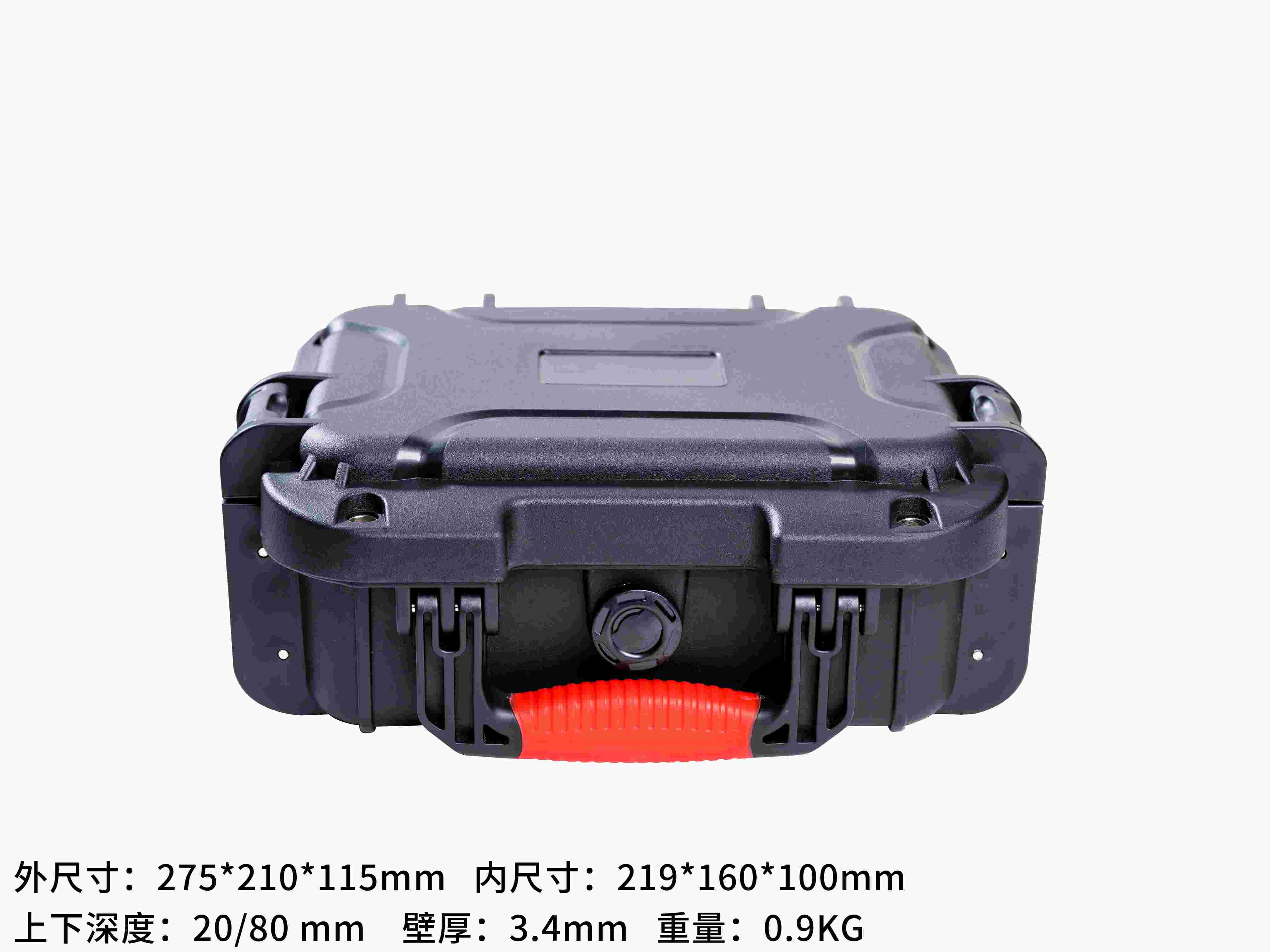
IP ratings are international standards that measure a case's dust and water protection. Many products claim IP67, but actual performance varies. How can you tell if the rating is real? This article explains the standard, testing methods, and buying tips.
What IP Codes Mean
An IP code consists of two digits, e.g., IP67. The first digit indicates dust protection (0-6), and the second digit indicates water protection (0-9). First digit 6 means completely dust-tight, no dust ingress. Second digit 7 means can withstand immersion in 1 meter of water for 30 minutes. Therefore, IP67 means the case is completely dustproof and can briefly withstand immersion at a certain depth.
How Real IP67 Testing is Done
Formal IP67 testing is conducted in third-party laboratories. The dust test places the case in a dust chamber, applies negative pressure, and rotates it for 8 hours. The water test immerses the case in 1 meter of water for 30 minutes, then inspects for water ingress. After testing, the laboratory issues a formal report. IP67 claims without a third-party report or with only a manufacturer's self-declaration are less credible.
How to Spot Fake Ratings
KeXin Commitment
KeXin protective cases are designed and tested strictly to IP67 standards, using high-quality silicone seals and precise latch systems. We can provide test reports to customers, ensuring every case is genuine and reliable.