
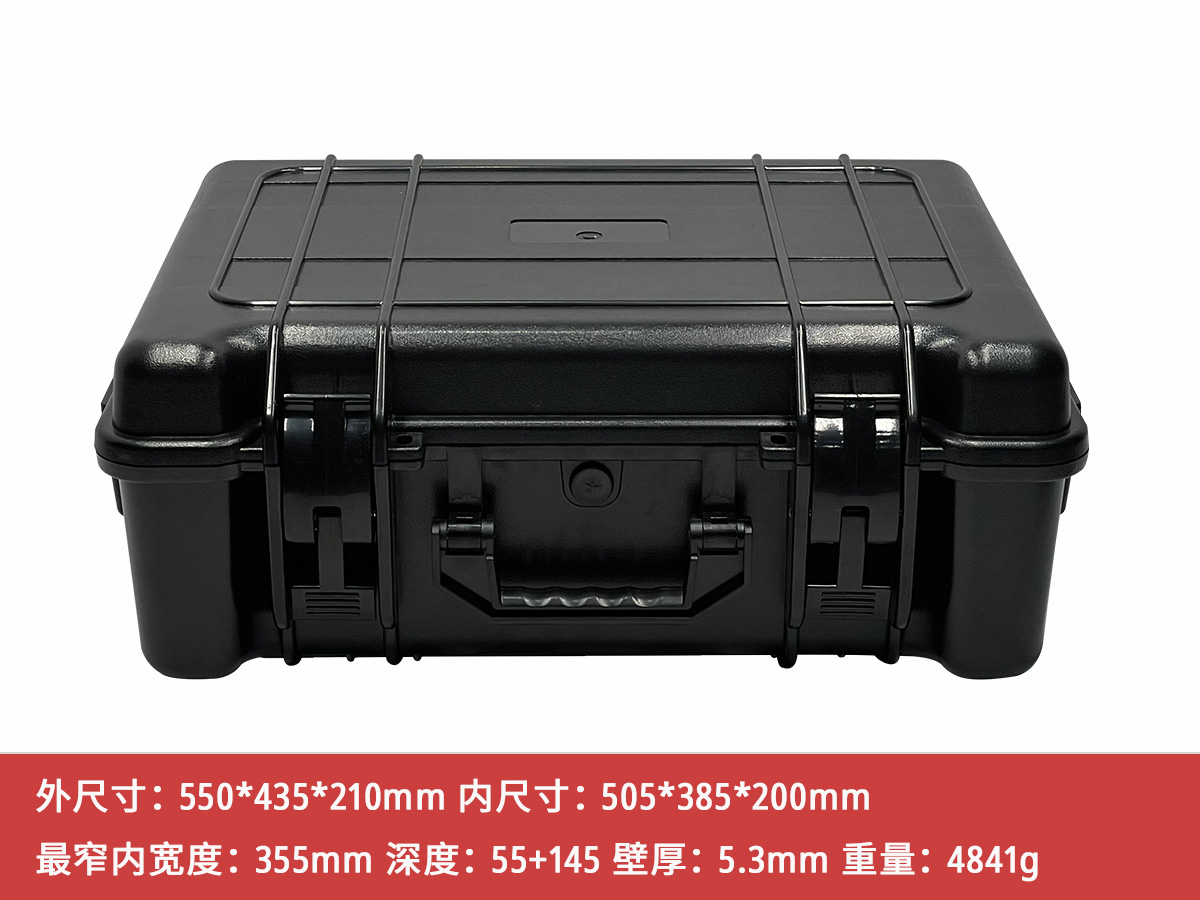
A high-quality protective case is a significant investment—one that should serve reliably for years or even decades. Yet many organizations unknowingly shorten their cases' service life through improper maintenance, storage, and handling. This comprehensive guide presents 10 essential maintenance practices that will maximize your protective case lifespan, preserve IP protection integrity, and ensure your equipment remains safeguarded mission after mission.
Tip 1: Clean the Seal After Every Contaminated Use
The rubber seal running along the lid channel is the single most vulnerable component of your case. After any use in dusty, sandy, muddy, or otherwise contaminated environments, the seal must be thoroughly cleaned before the case is closed and stored. Fine particulate matter trapped between the seal and case body creates micro-gaps that compromise the IP rating and accelerate seal wear through abrasion. Remove the seal from its channel (most KeXin case seals are designed for tool-free removal and replacement), wipe along its entire length with a soft, lint-free cloth dampened with clean water and mild soap, and inspect for embedded particles using a magnifying glass if available. Allow the seal to air-dry completely before reinserting it into the channel.
Tip 2: Apply Silicone Grease to the Seal Every 3–6 Months
Silicone grease is the protective case owner's best friend. A thin, even film applied to the seal surface every 3–6 months (or every 20–30 use cycles for heavily used cases) provides three benefits: it lubricates the seal-to-body interface, reducing friction and latch effort; it fills microscopic surface imperfections in the seal that could otherwise wick moisture; and it provides a protective barrier against ozone and UV that slows elastomer aging. Use only pure silicone grease (dielectric grease or food-grade silicone grease)—never petroleum-based lubricants, which cause EPDM and silicone seals to swell and degrade catastrophically. Apply sparingly with a clean fingertip or lint-free cloth; a thin sheen is sufficient—excess grease will attract dust and dirt.
Tip 3: Lubricate Latch Pivot Points
Case latches are mechanical assemblies subject to repeated cycling, friction, and environmental exposure. Stiff, gritty, or squeaking latches indicate dried lubrication and accumulating wear. Apply one drop of light machine oil or synthetic lubricant to each latch pivot pin every 6 months for frequently used cases, or annually for cases in storage. Work the latch through its full range of motion several times to distribute the lubricant. This simple maintenance step prevents latch seizure—a common failure mode in cases left in storage for years—and extends the life of latch springs and pawls by reducing friction-induced wear.
Tip 4: Clean Case Exteriors with Mild Soap Only—Never Solvents
It is tempting to use strong solvents, degreasers, or abrasive cleaners to remove stubborn marks from case exteriors, but this is one of the fastest ways to damage your case. Acetone, MEK, toluene, paint thinner, and chlorinated solvents will attack ABS and polycarbonate cases virtually on contact, causing surface crazing, softening, and permanent damage. Even isopropyl alcohol, commonly used for cleaning, can cause micro-cracking in polycarbonate over repeated exposures. The safe cleaning method is simply warm water with mild dish soap, applied with a soft sponge or microfiber cloth. For stubborn stains—grease, adhesive residue, scuff marks from other plastics—use a citrus-based cleaner specifically labeled as safe for plastics, testing on an inconspicuous area first. Rinse thoroughly with clean water and dry with a soft cloth to prevent water spots.
Tip 5: Disinfect Medical Cases with 75% Ethanol
For medical equipment cases, pharmaceutical transport containers, and cases used in healthcare environments, proper disinfection is critical for infection control. 75% ethanol (isopropyl alcohol at 70% is an acceptable alternative) applied with a saturated wipe to all external surfaces, latch mechanisms, and handles provides effective pathogen kill without damaging PP or ABS case materials when used according to protocol. Allow the disinfectant a minimum contact time of 30 seconds on surfaces before wiping dry with a clean cloth. Important caveats: ethanol can degrade PC (polycarbonate) cases with repeated exposure and will strip silicone grease from seals—reapply grease after disinfection. Cases should be thoroughly dried before closing and storing to prevent moisture entrapment that could promote mold growth inside the foam liner.
Tip 6: Store Cases Closed but Unlatched, Away from Direct Sunlight
Proper storage dramatically extends case life. The ideal storage condition is with the lid closed but latches left open—this keeps dust out while allowing the seal to remain uncompressed, preventing compression set (permanent deformation of the seal from being squeezed continuously). The stored case should be placed in a cool, dry location protected from direct sunlight. UV radiation is the primary cause of plastic degradation and seal aging; even UV-stabilized materials will eventually yellow, embrittle, and lose mechanical properties with prolonged sun exposure. Avoid storing cases in attics, vehicle cargo areas in summer, or near windows. The ideal storage temperature range is 15–25°C with relative humidity below 60%. If space constraints require stacking, use the interlocking features designed into KeXin cases rather than simply piling them.
Tip 7: Inspect and Maintain Hinges Annually
Case hinges bear the entire weight of the lid during opening and absorb impact forces when the case is dropped on its back face. Inspect hinge pins, barrels, and attachment points annually for signs of wear, cracking, or deformation. For cases with removable hinge pins, check that the pins have not migrated out of position. Apply a drop of light oil to metal hinge pins and silicone grease to plastic hinge bearing surfaces. If you notice any cracking around hinge attachment points, the case should be taken out of service and evaluated—hinge failure can result in lid separation during transport, exposing equipment to damage and presenting a safety hazard from a falling lid.
Tip 8: Check the Automatic Pressure Valve Regularly
Most IP67-rated KeXin cases feature an automatic pressure equalization valve (typically a Gore-Tex or similar microporous membrane) that allows air pressure to equalize while blocking water and dust ingress. This valve is essential for cases transported by air, where cabin pressure changes could otherwise create a vacuum or overpressure that makes the case difficult to open or compromises the seal. Check the valve every 6 months: visually confirm the membrane is clean and undamaged, and test its function by closing the case and pressing gently on the lid—you should feel a slight resistance as air escapes through the valve. If the valve appears clogged with dirt or debris, gently clean the exterior surface with a soft brush. Never attempt to clear a valve with compressed air, which can rupture the microporous membrane.
Tip 9: Dry Foam Liners Naturally—Never with Heat
If a case is opened after exposure to rain or immersion and moisture has reached the foam liner, remove the liner from the case and allow it to air dry naturally at room temperature. Never use a heat gun, hair dryer, oven, or direct sunlight to accelerate drying—excessive heat will damage the foam structure, causing it to shrink, harden, or lose its cushioning properties. For EVA foam liners, light surface moisture will evaporate within a few hours; for deeper water penetration into PU foam (which is more absorbent), a 24–48 hour drying period may be necessary. If mold or mildew has developed due to prolonged moisture exposure, replace the foam liner—cleaning agents cannot reliably eliminate mold spores from the porous foam structure, and the spores may transfer to and damage equipment stored in the case.
Tip 10: Implement a Maintenance Log System
For organizations managing fleets of protective cases—military units, film production companies, industrial service teams, scientific expeditions—a systematic maintenance log is the difference between proactive care and reactive replacement. Each case should have a unique identifier (permanently marked on the case exterior) and a maintenance record that tracks: date of each inspection, seal condition assessment (pass/clean/replace), latch function check, hinge inspection result, pressure valve check, any damage observed, and any repairs performed. This log enables predictive maintenance scheduling, identifies failure patterns across case models or usage scenarios, and provides documentation for warranty claims and quality audits. Digital logs using simple spreadsheet templates or dedicated asset management software are preferred for searchability and trend analysis.
Common Maintenance Mistakes to Avoid
Beyond the 10 positive tips, certain practices should be categorically avoided. Never pressure-wash a protective case—the high-pressure water jet can force water past even a healthy seal and will strip silicone grease instantly. Never store heavy objects on top of cases—this causes lid deformation, seal compression set, and hinge stress that cumulative damage over months of storage. Never attempt to repair a cut or torn seal with adhesive—replace it; the microscopic gap created by an imperfect repair will compromise the IP rating. Never ignore a case that becomes difficult to open or close—this is an early warning sign of hinge misalignment, latch damage, or seal swelling that should be diagnosed and corrected before complete failure occurs.
Conclusion
A well-maintained KeXin protective case can deliver 15–20 years of reliable service, protecting hundreds of thousands of dollars worth of equipment over its lifetime. The 10 maintenance practices outlined in this guide require minimal time and cost—perhaps 15 minutes per case per year—yet yield enormous returns in equipment protection reliability, IP rating integrity, and case longevity. Integrate these practices into your team's standard operating procedures, and your protective cases will continue to perform as designed, year after year, deployment after deployment.